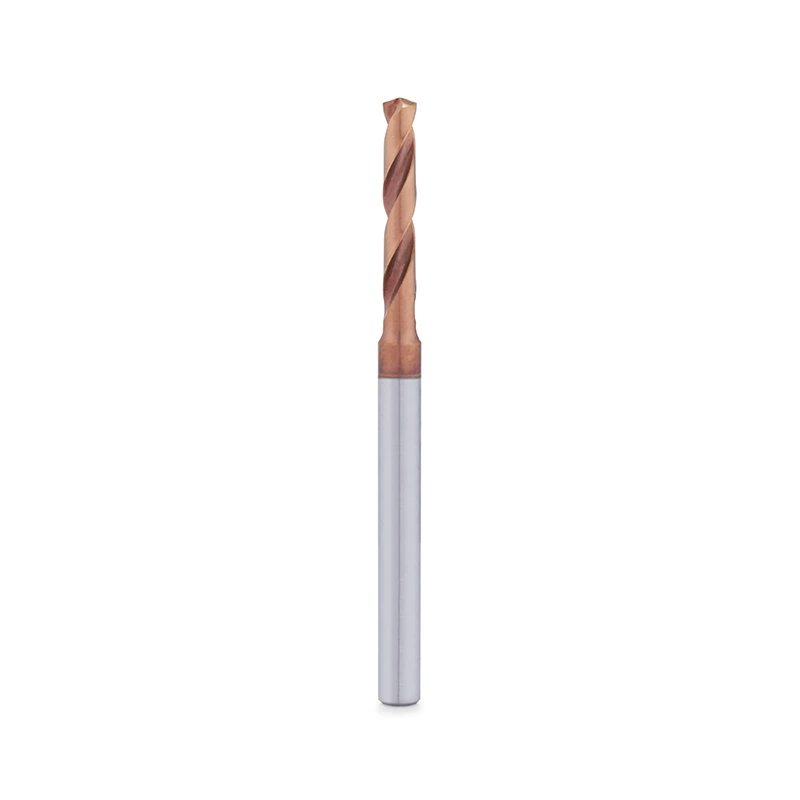
How to Drill Stainless Steel with Carbide Drills
Stainless steel drilling requires the drill, machine, coolant and chip evacuation to work together. This guide helps you choose a carbide drill for the hole and diagnose common problems.
Quick Answer: How Should You Drill Stainless Steel?
For CNC drilling in stainless steel, start with the grade and material condition. Then define the hole diameter, full-diameter depth, through-hole or blind-hole form, tolerance, machine and holder, coolant delivery and production quantity. A solid carbide drill is worth evaluating when the setup controls runout and the selected geometry can cut the grade without rubbing or trapping chips.
For a hole within the standard series' usable depth, start with the shortest drill that can reach the required full-diameter depth. As diameter decreases, check the micro-drill range and measure runout at the tool. If the hole exceeds the standard series' usable depth, or chips repeatedly pack in a blind hole, review the deep-hole drill, coolant supply and entry procedure together.

Why Does Stainless Steel Become Difficult to Drill?
“Stainless steel” covers multiple grades and conditions. Austenitic, ferritic, martensitic and precipitation-hardening grades do not respond identically to cutting. Some grades tend to form continuous chips and adhere to the edge; others present different strength or hardness conditions. A useful drilling recommendation therefore starts with the grade, hardness or heat-treatment condition, not just the material family.
Many stainless applications present three connected risks. Chips may curl around the drill or become trapped in the flutes. Heat can concentrate at the cutting zone when coolant cannot reach it. If the edge rubs instead of cutting, the next engagement may encounter a work-hardened surface. A dull edge, inadequate feed for the selected tool or an unstable setup can make these problems reinforce one another.
Watch the chip shape, spindle load, hole finish and edge condition together. A change in any one of them is a reason to check the process before continuing a production batch.
Cobalt HSS or Solid Carbide: Which Fits the Stainless Steel Job?
A cobalt-alloyed HSS drill may be practical for intermittent work or a setup that cannot maintain the runout and clamping required by a carbide drill. In repeat CNC production with controlled runout, evaluate solid carbide against the required hole tolerance, tool wear, cycle time and cost per acceptable hole. Compare those measures for the actual diameter, depth and coolant arrangement rather than assuming one substrate will suit every stainless steel job.
| Application condition | Starting direction | Check before selecting |
|---|---|---|
| Intermittent work or limited machine rigidity | Consider cobalt-alloyed HSS | Whether the setup can maintain stable entry and chip formation |
| Repeat CNC production with controlled runout | Evaluate solid carbide | Toolholding, coolant, hole quality and total cost per acceptable hole |
| Small diameter or increasing depth | Evaluate the appropriate micro or depth-specific carbide series | Runout relative to diameter, flute capacity and coolant access |
If chips pack or the hole varies in size, inspect clamping, runout and the drilling cycle before changing drill substrate. For a fuller comparison of the two tool materials, see Solid Carbide Drills vs HSS Drills.
How to Select a Carbide Drill for Stainless Steel
Start With the Shortest Usable Drill
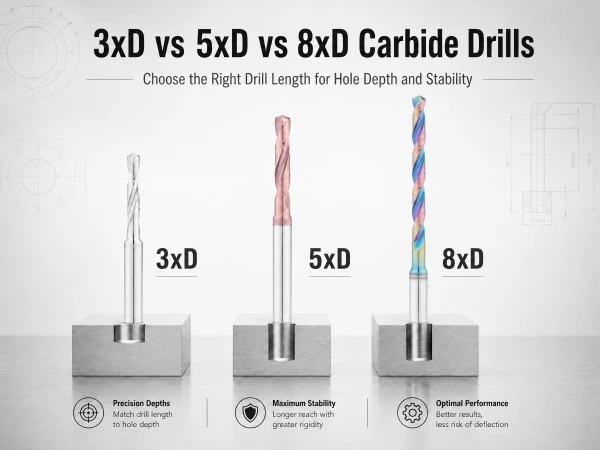
Confirm the required drilling depth, any entry or exit clearance, and the drill's usable cutting length. A longer tool creates a longer chip path and places more demands on guidance, runout control and coolant delivery. Do not choose a long drill simply to leave an arbitrary margin; choose the shortest series that safely reaches the hole under the product's stated conditions.
For holes within the standard range, compare LANDUN's 3xD, 5xD and 8xD standard carbide drill series. If the required depth is beyond the chosen standard drill's usable length, review the deep-hole carbide drill series together with the selected tool's pilot, entry, coolant and withdrawal procedure. If you are choosing among 3xD, 5xD and 8xD, see the drill-length selection guide.

Match Point, Edge, Flute and Coating as a System
Look for a drill design intended for the specific stainless grade and hole. Point geometry affects entry and thrust. Edge preparation balances sharp cutting with resistance to chipping. Flute shape and surface affect chip formation and evacuation. Coating contributes to wear and heat management, but a coating name alone cannot establish that a drill will perform in the application.
Use the selected drill family's stated material range and starting cutting data. A point angle, coating or feed value from a different drill does not establish the settings for a LANDUN tool.
How Do Through-Holes and Blind Holes Change the Process?
In a through-hole, assess how the drill enters the workpiece and what happens as the point breaks through the exit surface. Thin sections, angled exits or weak support can change the cutting load and leave a burr. Check workholding and the exit condition before attributing a burr or edge chip to the drill material alone.
In a blind hole, chips cannot leave through the far side. The deeper the hole, the farther chips must travel up the flutes. Confirm the required full-diameter depth and bottom form, leaving enough allowance for the actual drill point where the drawing requires it. If chips pack near the bottom, review chip formation, flute capacity, coolant pressure and flow, and the tool manufacturer's cycle instructions.
Neither “through-hole” nor “blind-hole” specifies one universal feed, peck depth or coolant method. Those settings depend on the selected drill, stainless grade, diameter, depth and machine.
When Is Through-Tool Coolant Worth Considering?
External coolant may work for an accessible hole when fluid reaches the cutting zone and chips leave freely. Through-tool coolant delivers fluid closer to the drill point and may help evacuate chips when the tool, pressure, flow and filtration support it. Consider it when the required depth makes external coolant access unreliable, when a blind hole retains chips, or when chip congestion recurs under the current setup.
Before changing coolant delivery, inspect the chips. Long, stringy chips, chips remaining in the flutes, rising spindle load or scratched hole walls point to a chip-control problem. The corrective action may involve feed, point or flute geometry, drill length, coolant delivery or a combination. Switching to internal coolant alone will not necessarily solve an unsuitable chip form.
To compare delivery methods and their setup requirements, see Internal Coolant vs External Coolant Carbide Drills.
What Changes When Drilling Small Holes in Stainless Steel?
As drill diameter decreases, the same amount of runout becomes a larger fraction of that diameter and can load one cutting edge more heavily. Narrower flutes also leave less room for chips. Measure runout close to the tool, and inspect the holder, shank cleanliness, entry surface and effective stickout before changing cutting data.
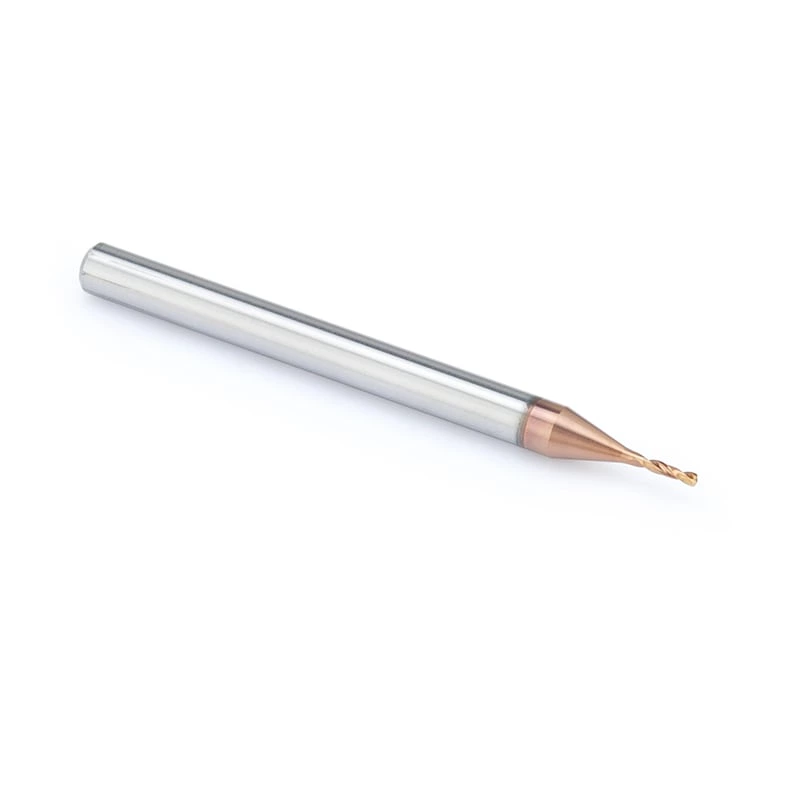
Use a drill whose point, edge strength and flute design match the hole and material. Confirm that the machine and coolant arrangement can support the selected diameter. If the required hole is both small and relatively deep, review entry guidance and chip evacuation under the specific drill family's instructions. LANDUN's micro carbide drill series is the relevant product starting point for small-diameter applications.
How to Troubleshoot Unstable Stainless Steel Drilling
Start with the symptom you can observe, then check the conditions most likely to cause it:
| Observed symptom | Possible mechanism | First checks |
|---|---|---|
| Long chips wrap around the drill | Chip formation and evacuation do not match the hole | Feed against the selected tool's data, point/flute geometry, coolant access |
| Chips pack near the bottom of a blind hole | Insufficient evacuation over the full depth | Hole depth, flute space, coolant flow and pressure, drilling cycle |
| Edge wears unevenly or holes vary in size | Unequal edge loading or loss of guidance | Runout, holder and spindle condition, tool damage, workholding |
| Rubbing, discoloration or rapid loss of cutting | Heat, edge wear or work hardening may be developing | Actual grade, edge condition, feed, speed and coolant delivery |
| Large exit burr or damage at breakthrough | Load changes as the drill exits | Exit geometry, support, workholding and programmed breakthrough |
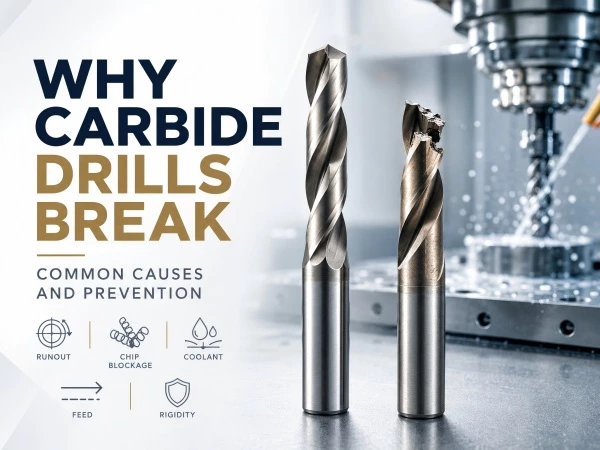
If a drill fractures, record where and when it failed, along with the chip and hole conditions. The separate carbide drill breakage guide covers the broader failure analysis.
Which LANDUN Drill Family Should You Review?
| Stainless steel application | Product starting point | Confirm before ordering |
|---|---|---|
| Short to medium-depth CNC hole | Standard carbide drills | Grade, diameter, full drilling depth, coolant and hole tolerance |
| Small-diameter hole | Micro carbide drills | Runout, entry condition, holder and chip clearance |
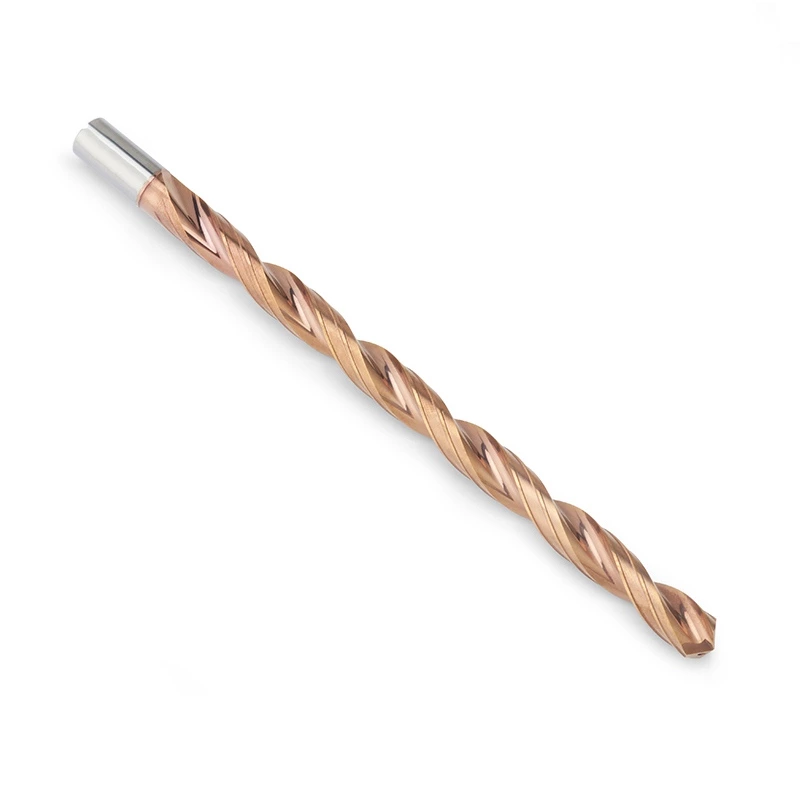
| Hole beyond the standard depth range | Deep-hole carbide drills | Pilot compatibility, coolant capability and the selected drill's procedure |
| Non-standard diameter, step or bottom form | Custom carbide drills | Component drawing, tolerance, quantity and current process problem |
Before ordering, match the selected series to the drawing's full-diameter depth, tolerance and bottom form, then confirm the machine and coolant conditions for that model.
What Details Help Select or Quote the Drill?
For the inquiry form below, provide the stainless steel grade and condition; hole diameter, full-diameter depth and tolerance; through-hole or blind-hole form; machine and holder; external or through-tool coolant capability; expected quantity; and the current problem, if any. Include a component drawing for a step, flat bottom, angled entry or other non-standard feature. This information lets LANDUN review the requested hole against a specific drill configuration.
Frequently Asked Questions
Are carbide drill bits good for stainless steel?
They can be, particularly in a rigid CNC setup with controlled runout, suitable geometry and dependable chip evacuation. A carbide drill is not automatically suitable for every stainless grade or every machine. Confirm the exact material and hole conditions against the selected drill family.
Can I use the same drill for 304 and 316 stainless steel?
Possibly, if the selected drill's application range includes both grades, but do not assume identical cutting data or chip behavior. Confirm the grade, condition, diameter, depth and coolant arrangement before transferring a program from one job to the other.
Should I peck drill stainless steel with a carbide drill?
Follow the procedure for the specific drill and hole. A peck cycle can change chip removal, heat and re-entry conditions; some carbide drills are intended for continuous cutting under suitable coolant and chip-control conditions. Do not apply one peck depth to every carbide drill.
Why does my drill fail at the same depth in a stainless steel hole?
Check for chip accumulation or loss of coolant access at that depth, as well as a change in the part geometry, tool runout and the drill's usable length. Record the chip form and fracture location before changing the tool or program.
 Need a Custom Tool solution?