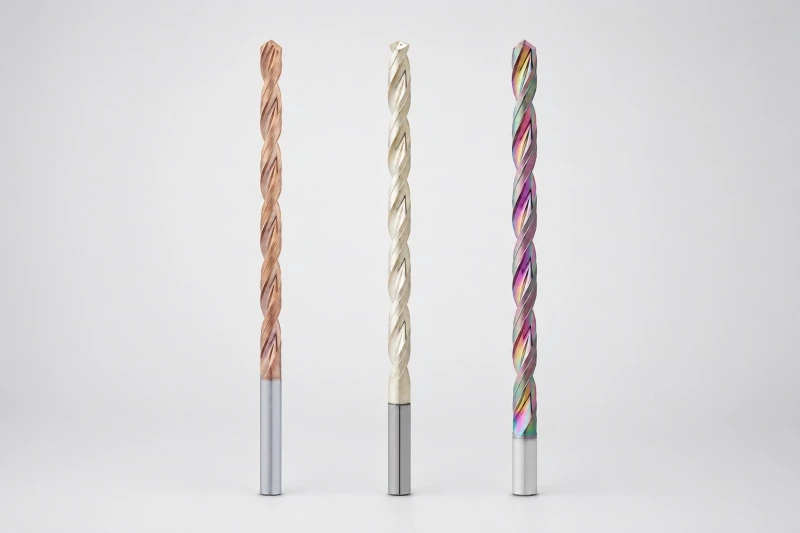
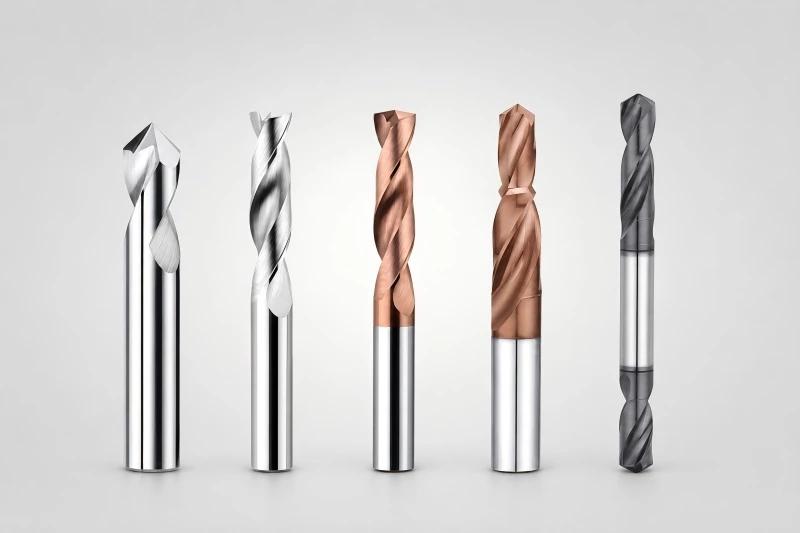
Medical Component Drilling Overview

Medical component manufacturing requires precise drilling in titanium alloys, stainless steels, cobalt-chromium alloys, tool steels, and selected non-ferrous materials. Typical applications include bone plates, surgical instruments, dental components, fluid-control parts, housings, sleeves, and miniature mechanisms. Small diameters, thin walls, deep passages, strict tolerances, burr control, and difficult materials create demanding machining conditions. Landun supplies standard, micro, deep-hole, internal-coolant, flat-bottom, step, spot, and custom carbide drills selected according to component drawings, materials, hole geometry, coolant conditions, and production requirements.
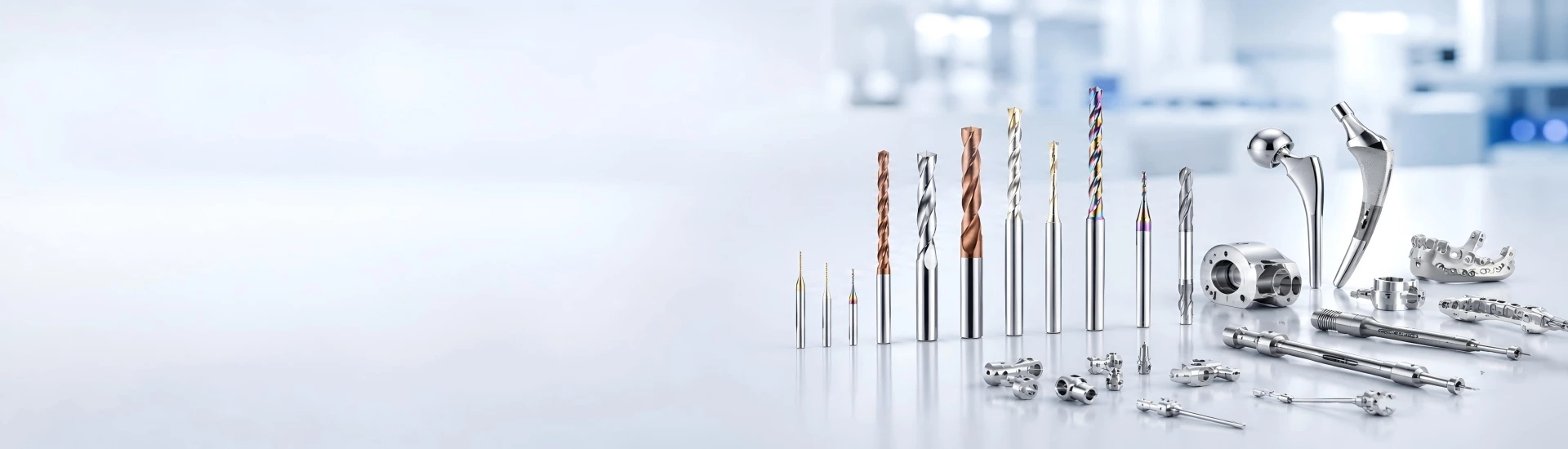
Medical Component Drilling Solutions

Medical Component Drilling Solutions

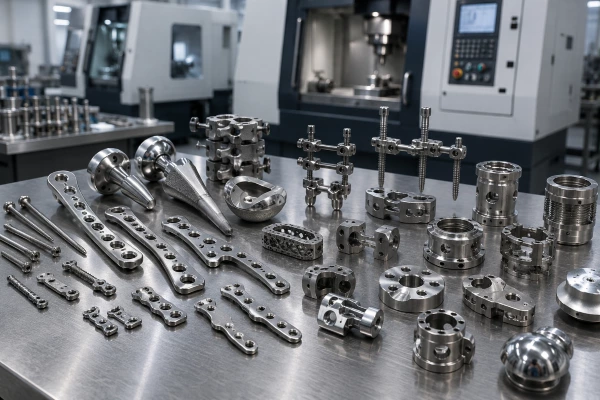
Orthopedic Implants & Trauma Components

Orthopedic Implants & Trauma Components

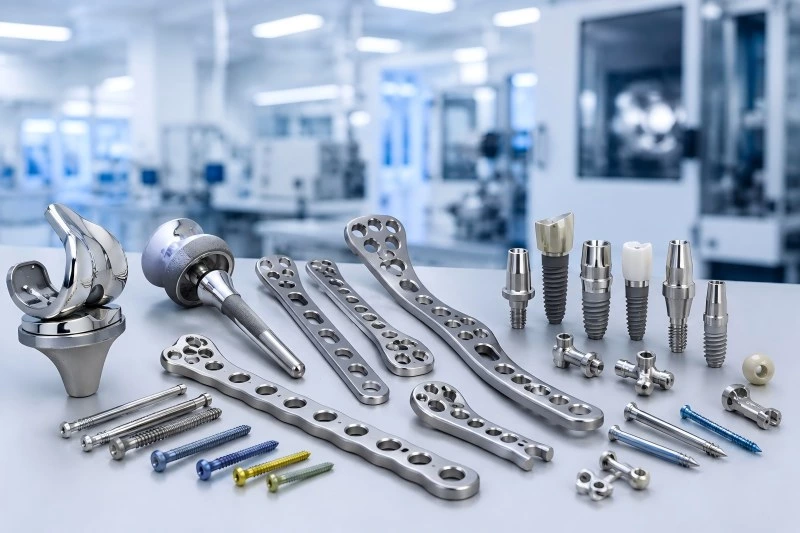
Bone plates, spinal components, joint components, fixation devices, implant supports, mounting holes, screw holes, locating holes, and precision features in titanium, stainless steel, and cobalt-chromium alloys.

View More
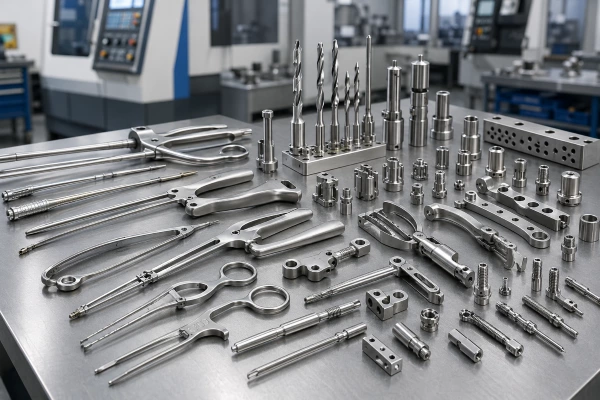
Surgical Instruments & Tooling

Surgical Instruments & Tooling

Forceps components, clamps, scissors, handles, surgical guides, reamers, instrument shafts, locking features, threaded-hole preparation, and assembly holes in stainless steel and tool steel.

View More
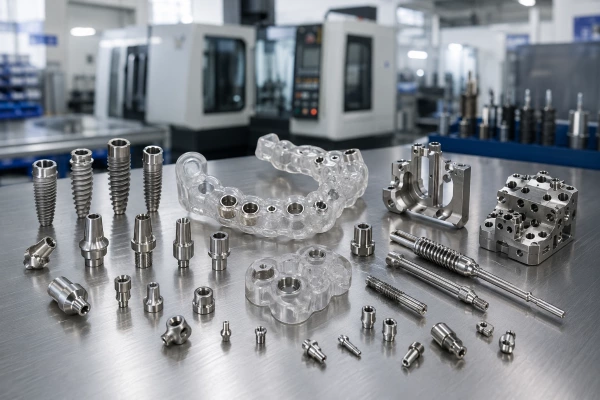
Dental & Maxillofacial Components

Dental & Maxillofacial Components

Dental implant components, abutments, surgical guides, instrument parts, small sleeves, locating holes, threaded-hole preparation, and miniature precision features in titanium and stainless steel.

View More
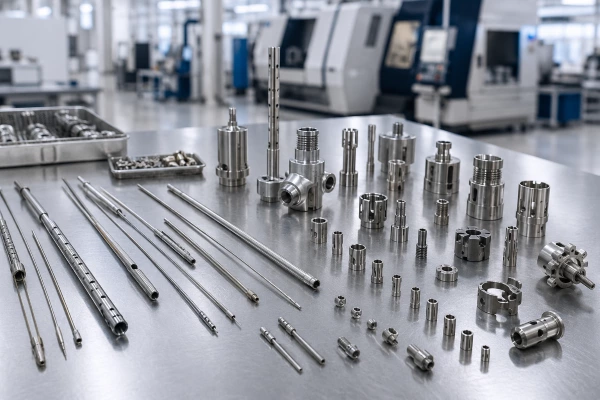
Minimally Invasive & Endoscopic Parts

Minimally Invasive & Endoscopic Parts

Endoscopic components, catheter-related metal parts, miniature mechanisms, instrument housings, sleeves, connectors, and thin-wall components requiring small-hole accuracy and controlled burr formation.

View More
Fluid-Control & Diagnostic Components

Fluid-Control & Diagnostic Components

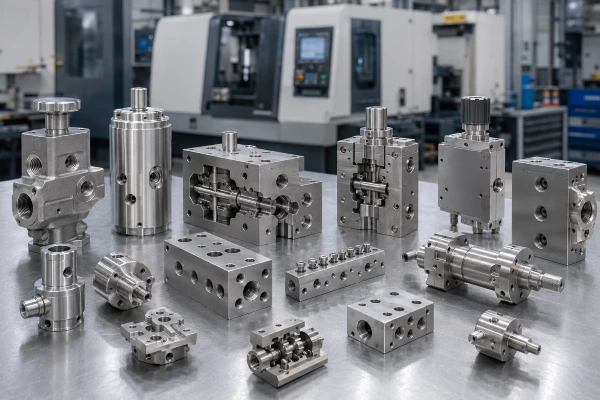
Valve bodies, pump components, manifolds, dosing parts, laboratory instrument components, cross holes, intersecting passages, fluid channels, and precision distribution holes.

View More
Medical Equipment & Precision Assemblies

Medical Equipment & Precision Assemblies

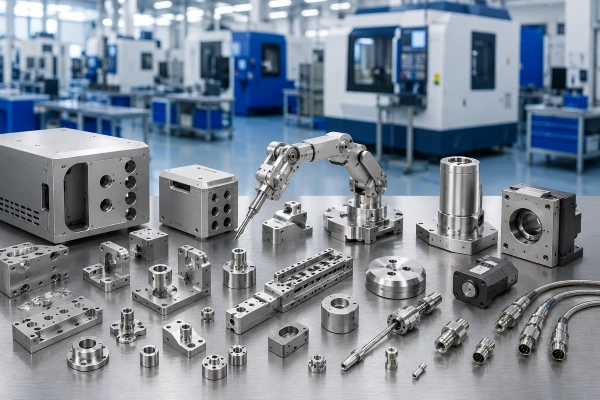
Equipment housings, robotic-surgery components, positioning parts, sensor housings, connectors, bushings, brackets, and compact assemblies requiring repeatable hole position and dimensional control.

View More

Key Medical Component Drilling Solutions

Micro-Hole Accuracy and Low Runout

Micro-Hole Accuracy and Low Runout

Medical instruments and miniature components often contain small-diameter holes with limited tolerance allowance. Stable carbide substrates, precise drill geometry, controlled edge preparation, rigid toolholding, and low machine runout help maintain hole size and position.

Heat and Adhesion Control in Titanium

Heat and Adhesion Control in Titanium

Titanium alloys concentrate cutting heat near the cutting edge and may produce adhesion or unstable chip formation. Suitable drill geometry, coating, coolant delivery, cutting parameters, and chip evacuation help improve drilling stability and tool-life consistency.

Work-Hardening Control in Stainless Steel

Work-Hardening Control in Stainless Steel

Medical stainless steels may work-harden when drilling conditions are unstable or when the drill rubs instead of cutting effectively. Sharp cutting edges, sufficient feed, stable engagement, controlled coolant delivery, and rigid toolholding help reduce cutting load and premature wear.

Burr Control in Thin-Wall Components

Burr Control in Thin-Wall Components

Sleeves, instrument housings, connectors, and compact medical parts may have thin walls or unsupported exit surfaces. Suitable drill-point geometry, controlled breakthrough feed, stable workholding, and sharp cutting edges help reduce exit burrs and part deformation.

Deep Holes and Internal Fluid Passages

Deep Holes and Internal Fluid Passages

Valve bodies, dosing components, surgical instruments, and diagnostic equipment may contain deep, intersecting, or blind passages. Internal-coolant drills support heat removal and chip evacuation, while pilot-hole accuracy and machine rigidity become increasingly important as drilling depth increases.

Custom and Combined Hole Structures

Custom and Combined Hole Structures

Stepped holes, flat-bottom holes, special diameters, countersink preparation, long-reach features, and combined drilling operations may require custom carbide drills developed according to the component drawing and machining process.

Recommended Carbide Drill Solutions

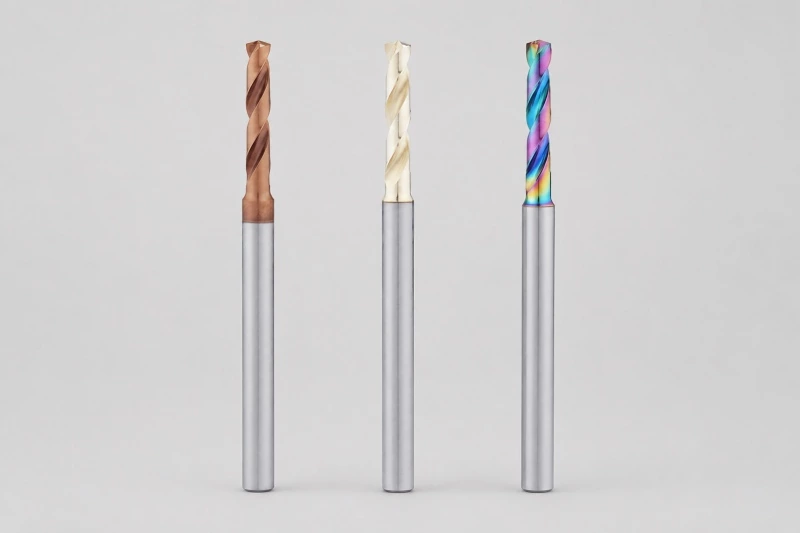
Standard Carbide Drills

Standard Carbide Drills

For general automotive holes in aluminum housings, cast iron components, steel brackets, transmission parts and mounting features.

Typical use:
Through holes, blind holes, threaded-hole preparation, mounting holes and general production drilling up to 8xD.

View More
Micro Carbide Drills

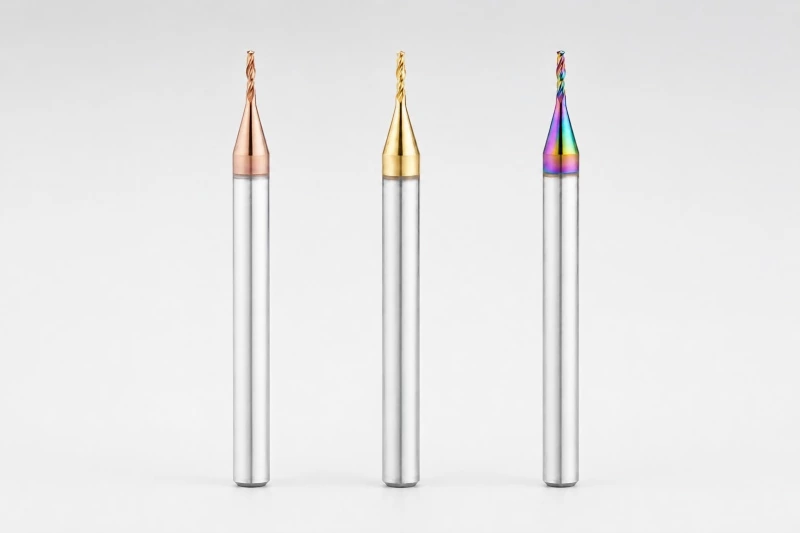
Micro Carbide Drills

For small-diameter holes in sensors, connectors, EV components, small housings, and precision automotive parts.

Typical use:

Micro holes, small precision holes, sensor holes, connector holes, and tight-tolerance features.

View More
Deep Hole Carbide Drills

Deep Hole Carbide Drills

For long-reach holes, oil galleries, coolant passages, fluid channels, and high depth-to-diameter drilling applications.

Typical use:

Deep holes, oil passages, coolant holes, cross holes, and long fluid channels.

View More
Custom Carbide Drills

Custom Carbide Drills

For non-standard hole structures, special profiles, long-reach holes, stepped holes, flat-bottom features, and drawing-based automotive tooling requirements.

Typical use:

Custom automotive parts, OEM tooling projects, special hole designs, and machining problem solving.

View More

Information Needed for Recommendation 

Information Why It Matters
Component drawing Confirms hole structure, tolerance, step design, and special features
Workpiece material Determines drill geometry, coating, and edge preparation
Hole diameter and depth Determines drill length, rigidity, and coolant requirement
Through hole or blind hole Affects drill point, chip evacuation, and bottom shape
Tolerance and surface requirement Helps evaluate accuracy and finishing needs
Coolant method and pressure Important for deep holes and chip evacuation
Machine type and holder condition Affects runout, rigidity, and cutting stability

Frequently Asked Questions

A sharp carbide drill with suitable edge strength and chip-control geometry is generally recommended. Stable feed, rigid toolholding, and sufficient coolant help reduce rubbing, work hardening, built-up edge, and premature drill wear.

Micro drilling requires low spindle and holder runout, stable workholding, suitable spindle speed, controlled feed, and reliable chip removal. The working length should be kept only as long as necessary to maintain rigidity.

Exit burrs can be reduced through suitable drill-point geometry, sharp cutting edges, stable component support, controlled breakthrough feed, low runout, and an appropriate machining sequence.

Yes. Landun can develop micro drills, flat-bottom drills, step drills, special-length drills, combined-diameter drills, and drawing-based carbide drills according to the component material, hole structure, tolerance, and machining conditions.

Landun supplies carbide drilling tools for component manufacturing. Final process validation, component inspection, material certification, cleanliness control, traceability, and medical-device regulatory compliance remain the responsibility of the component manufacturer.

Landun Cnc Tool

Tell Us Your Requirements

Contact Landun CNC Tool for standard, micro, deep-hole, internal-coolant, flat-bottom, step, and custom solid carbide drills. Send us your drawing, existing tool sample, workpiece material, and hole requirements, and our team will provide an application review and quotation.

This site uses cookies

We use cookies to collect information about how you use this site. We use this information to make the website work as well as possible and improve our services.more details