Hydraulic & Valve Drilling Overview

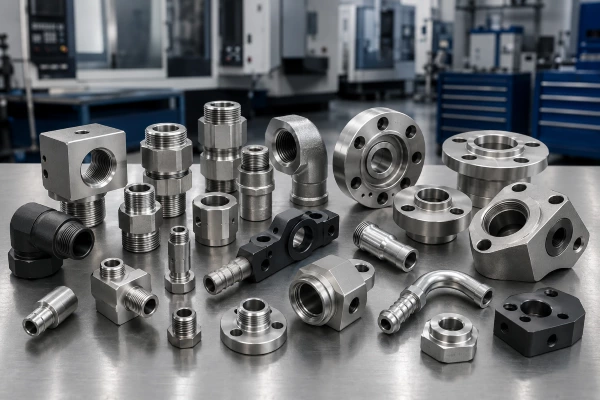
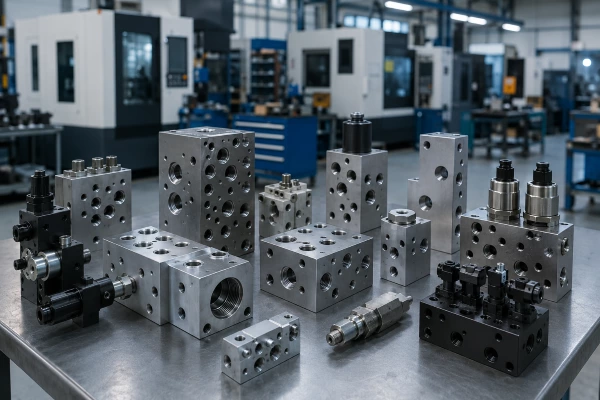
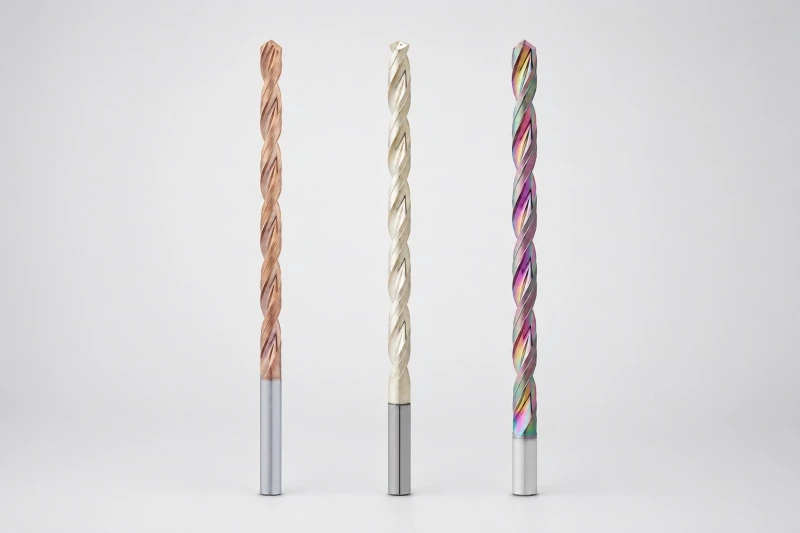
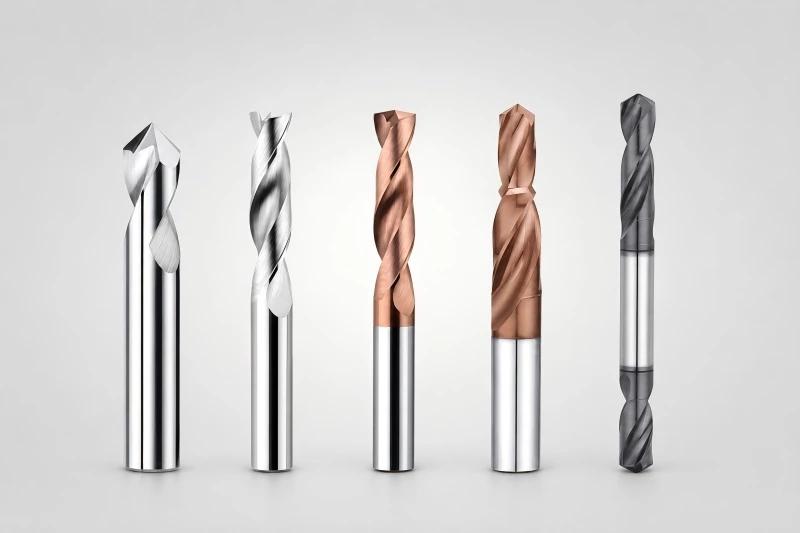
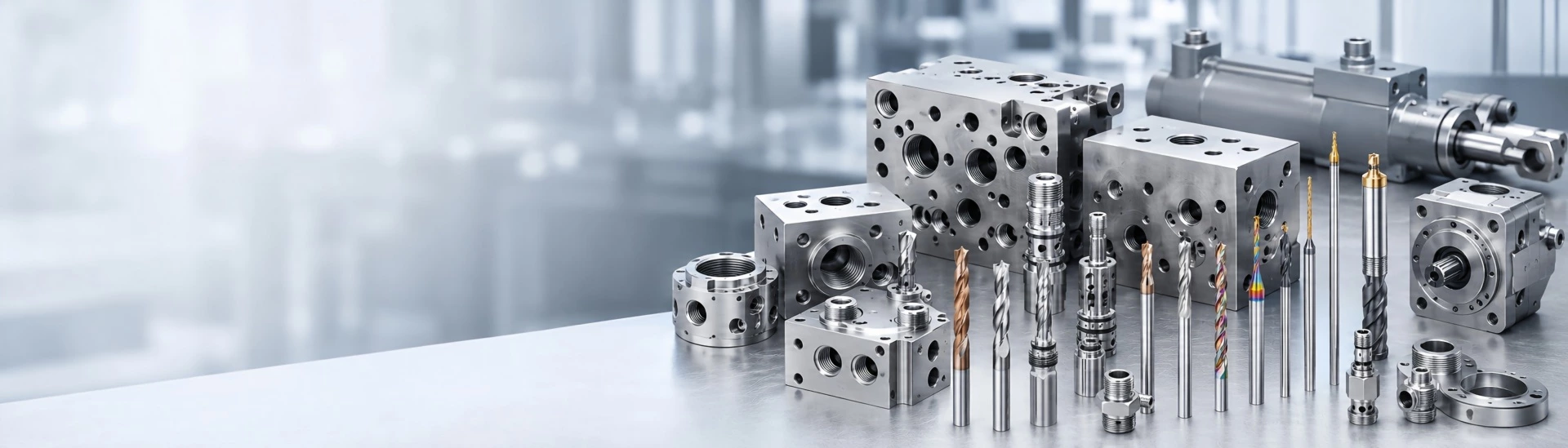
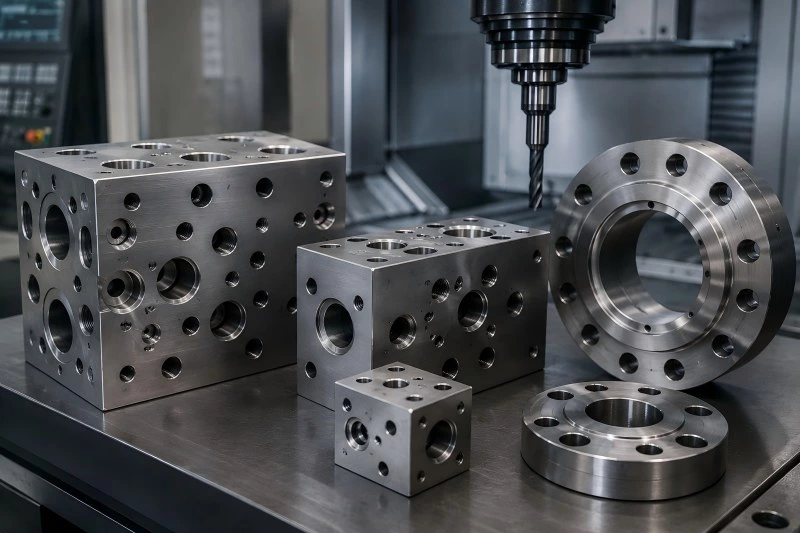
Hydraulic and valve component manufacturing requires accurate drilling in cast iron, carbon steel, alloy steel, stainless steel, and aluminum. Typical applications include valve bodies, manifolds, pump housings, cylinders, fittings, oil passages, port holes, threaded-hole preparation, cross holes, and deep channels. Intersecting passages, burr control, chip evacuation, sealing requirements, and hole straightness create demanding conditions. Landun supplies standard, micro, deep-hole, internal-coolant, flat-bottom, step, spot, and custom carbide drills matched to drawings, materials, tolerances, and production requirements.
Hydraulic & Valve Drilling Solutions

Hydraulic & Valve Drilling Solutions

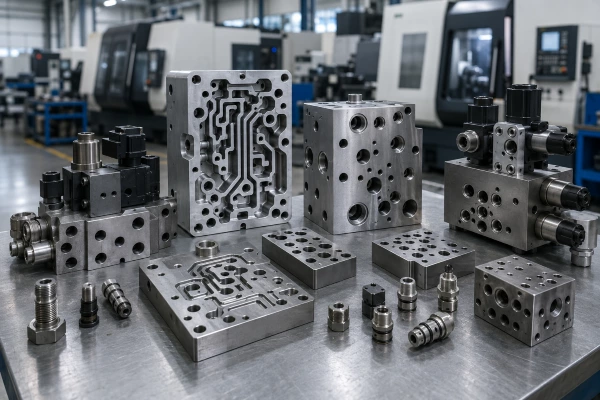
Valve Bodies & Hydraulic Manifolds

Valve Bodies & Hydraulic Manifolds

Directional-control valve bodies, manifold blocks, modular valve plates, mounting holes, port holes, threaded-hole preparation, internal oil passages, cross holes, and blind channels.

View More
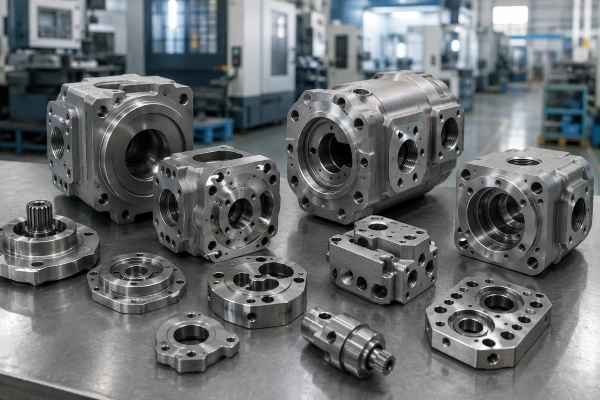
Hydraulic Pump & Motor Housings

Hydraulic Pump & Motor Housings

Pump bodies, motor housings, end covers, bearing-support features, lubrication holes, pressure passages, mounting holes, and threaded connection ports.

View More
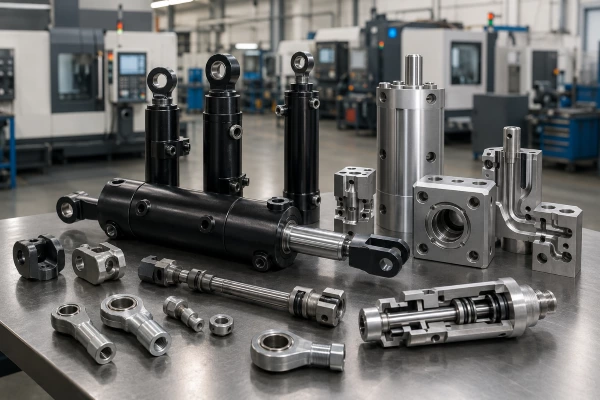
Hydraulic Cylinders & Actuator Components

Hydraulic Cylinders & Actuator Components

Hydraulic cylinders, actuator housings, clevises, rod-end components, pin holes, oil ports, mounting holes, long axial passages, and fluid-transfer channels.

View More
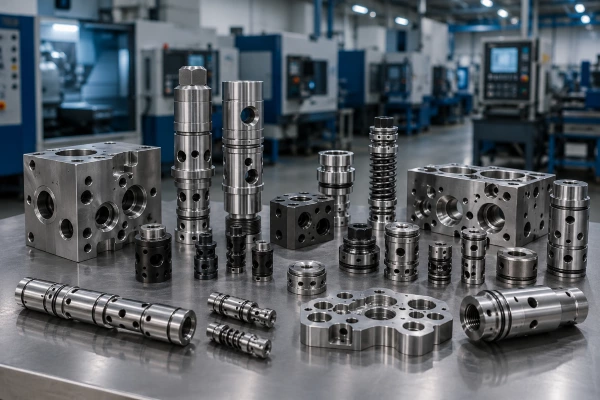
Cartridge Valves, Sleeves & Precision Bores

Cartridge Valves, Sleeves & Precision Bores

Cartridge-valve bodies, valve sleeves, check-valve features, pilot holes, control passages, spring cavities, stepped bores, and precision holes prepared for subsequent finishing.

View More
Hydraulic Fittings, Flanges & Connectors

Hydraulic Fittings, Flanges & Connectors

Adapters, couplings, elbows, flanges, hose fittings, pipe connectors, threaded ports, angled holes, stepped passages, and sealing-related counterbore preparation.

View More
Mobile & Industrial Hydraulic Components

Mobile & Industrial Hydraulic Components

Hydraulic blocks and fluid-control components used in construction machinery, agricultural equipment, industrial systems, material-handling equipment, and automated machinery.

View More

Key Hydraulic & Valve Drilling Solutions

Cross-Hole and Breakthrough Stability

Cross-Hole and Breakthrough Stability

Valve blocks and manifolds often contain intersecting oil passages. When a drill enters an existing bore or breaks through an internal cross hole, cutting forces can become unbalanced. Stable drill guidance, suitable edge geometry, rigid toolholding, and controlled breakthrough parameters help reduce deflection and cutting-edge damage.

Internal Burr Control

Internal Burr Control

Burrs at intersecting passages may affect fluid cleanliness, assembly, and downstream processing. Sharp cutting edges, suitable drill-point geometry, stable feed, correct drilling sequence, and controlled breakthrough help reduce internal burr formation. Secondary deburring may still be required for critical intersections.

Deep Oil Passages and Chip Evacuation

Deep Oil Passages and Chip Evacuation

Long oil channels and blind passages are sensitive to chip congestion, heat, and hole deviation. Internal-coolant deep-hole drills improve coolant delivery and chip evacuation, while pilot-hole accuracy, coolant stability, and machine rigidity become increasingly important at greater drilling depths.

Hole Straightness and Position Accuracy

Hole Straightness and Position Accuracy

Hydraulic blocks may contain multiple passages drilled from different faces that must connect correctly. Low runout, stable drill geometry, accurate positioning, rigid workholding, and controlled drilling procedures help maintain hole straightness and intersection accuracy.

Port, Seal and Thread Preparation

Port, Seal and Thread Preparation

Hydraulic ports may combine a pilot hole, threaded section, counterbore, sealing diameter, or flat-bottom feature. Standard drills can prepare general holes, while step drills and custom combination drills can reduce tool changes for more complex port structures.

Custom and Combined Hole Structures

Custom and Combined Hole Structures

Stepped passages, flat-bottom holes, special diameters, angled ports, long-reach holes, counterbores, and combined drilling operations may require custom carbide drills developed according to component drawings and machining sequences.

Recommended Carbide Drill Solutions

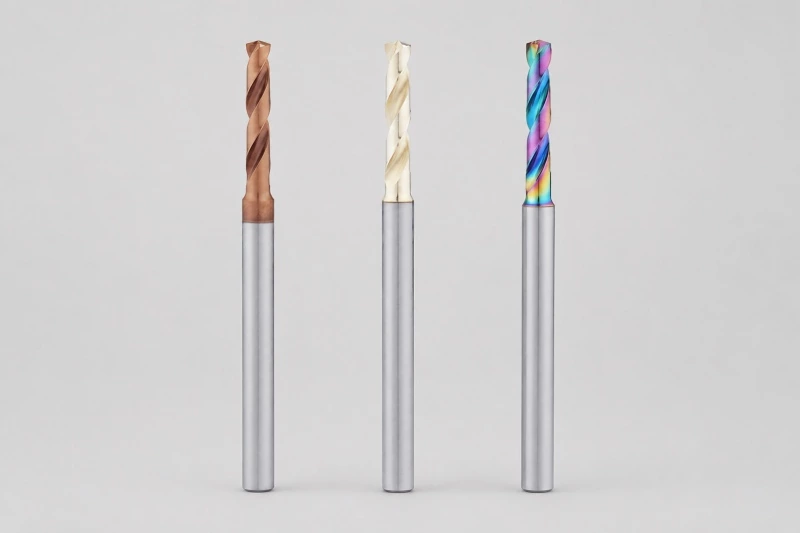
Standard Carbide Drills

Standard Carbide Drills

For general automotive holes in aluminum housings, cast iron components, steel brackets, transmission parts and mounting features.

Typical use:
Through holes, blind holes, threaded-hole preparation, mounting holes and general production drilling up to 8xD.

View More
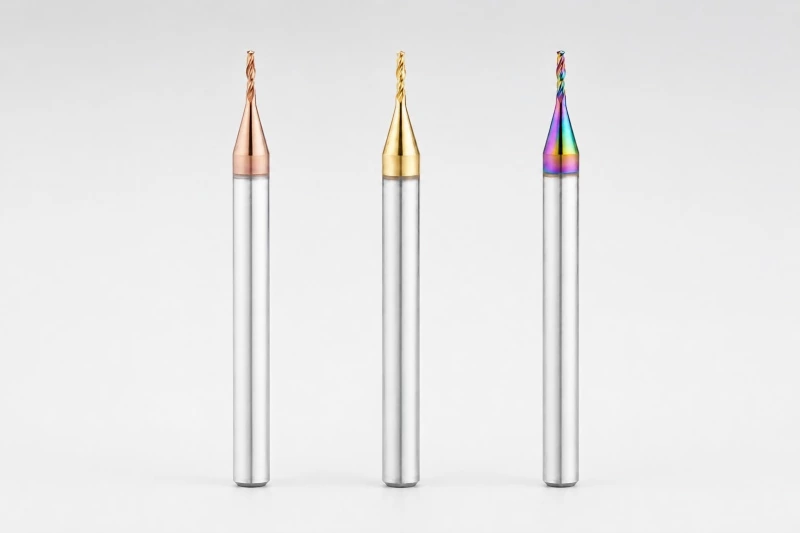
Micro Carbide Drills

Micro Carbide Drills

For small-diameter holes in sensors, connectors, EV components, small housings, and precision automotive parts.

Typical use:

Micro holes, small precision holes, sensor holes, connector holes, and tight-tolerance features.

View More
Deep Hole Carbide Drills

Deep Hole Carbide Drills

For long-reach holes, oil galleries, coolant passages, fluid channels, and high depth-to-diameter drilling applications.

Typical use:

Deep holes, oil passages, coolant holes, cross holes, and long fluid channels.

View More
Custom Carbide Drills

Custom Carbide Drills

For non-standard hole structures, special profiles, long-reach holes, stepped holes, flat-bottom features, and drawing-based automotive tooling requirements.

Typical use:

Custom automotive parts, OEM tooling projects, special hole designs, and machining problem solving.

View More

Information Needed for Recommendation 

Information Why It Matters
Component drawing Confirms hole structure, tolerance, step design, and special features
Workpiece material Determines drill geometry, coating, and edge preparation
Hole diameter and depth Determines drill length, rigidity, and coolant requirement
Through hole or blind hole Affects drill point, chip evacuation, and bottom shape
Tolerance and surface requirement Helps evaluate accuracy and finishing needs
Coolant method and pressure Important for deep holes and chip evacuation
Machine type and holder condition Affects runout, rigidity, and cutting stability

Frequently Asked Questions

The correct drill depends on the valve-body material, hole diameter, drilling depth, tolerance, cross-hole conditions, coolant method, and production quantity. Standard carbide drills are suitable for general holes, while internal-coolant or custom drills may be required for deeper and more complex passages.

Internal burr formation can be reduced through a suitable drilling sequence, sharp cutting edges, controlled breakthrough feed, stable tool guidance, and application-specific drill geometry. Critical hydraulic passages may still require mechanical, thermal, abrasive-flow, or other secondary deburring processes.

Drilling is commonly used to create or pre-machine the initial bore. Very tight spool-bore diameter, roundness, straightness, and surface-finish requirements may require subsequent boring, reaming, fine boring, or honing.

Yes. Landun can develop step drills, flat-bottom drills, special-length drills, combined-diameter drills, and other drawing-based carbide drills for port holes, sealing features, counterbores, and special fluid passages.

Please provide the component drawing, material grade, hole diameter, depth, tolerance, drilling sequence, cross-hole positions, burr requirement, coolant method, machine information, current drill, and the main machining problem.

Landun Cnc Tool

Tell Us Your Requirements

Contact Landun CNC Tool for standard, micro, deep-hole, internal-coolant, flat-bottom, step, and custom solid carbide drills. Send us your drawing, existing tool sample, workpiece material, and hole requirements, and our team will provide an application review and quotation.

This site uses cookies

We use cookies to collect information about how you use this site. We use this information to make the website work as well as possible and improve our services.more details