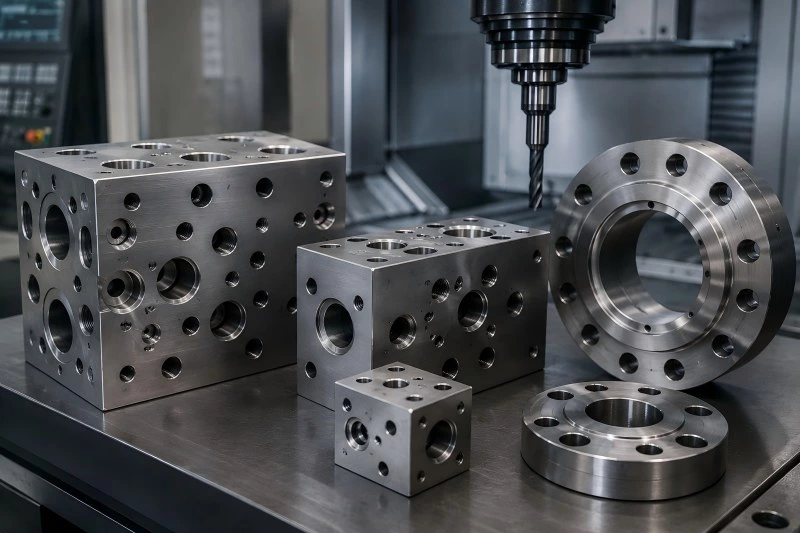
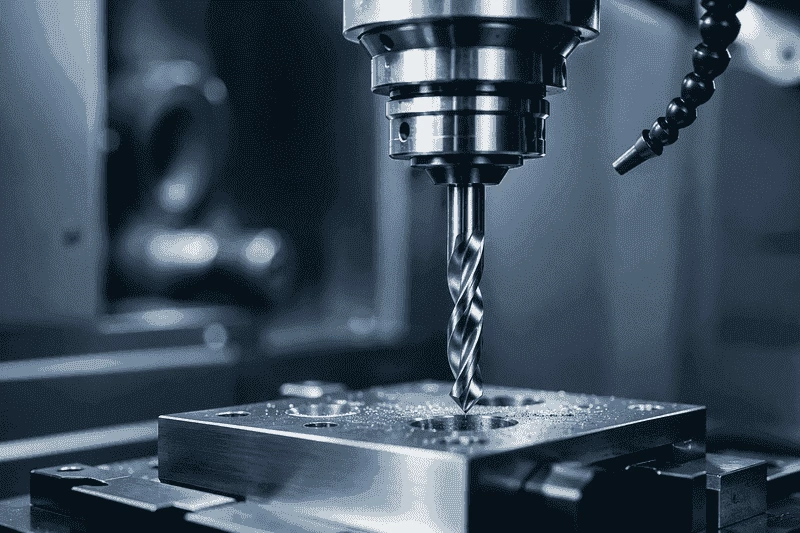
Category Overview

Custom Carbide Drills Built Around Your Hole Features

Landun custom carbide drills are developed for hole dimensions, profiles, materials, and machining conditions that cannot be handled efficiently with standard drills.

From center drills, spot drills, step drills, and flat-bottom drills to special lengths, non-standard diameters, internal-coolant designs, and combination tools, each solution can be reviewed according to the component drawing, workpiece material, hole structure, machine conditions, coolant method, and production requirements.

Customers can start with a confirmed tool drawing, an existing drill sample, or a machining problem. Drill geometry, flute design, coating, edge preparation, coolant configuration, and inspection requirements can then be matched to the application.
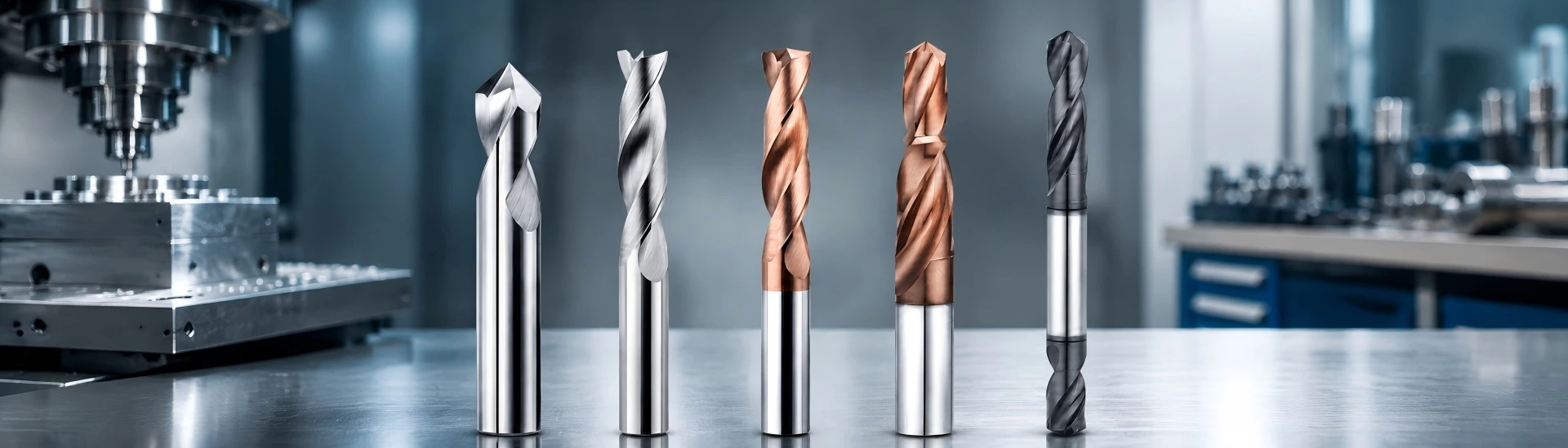
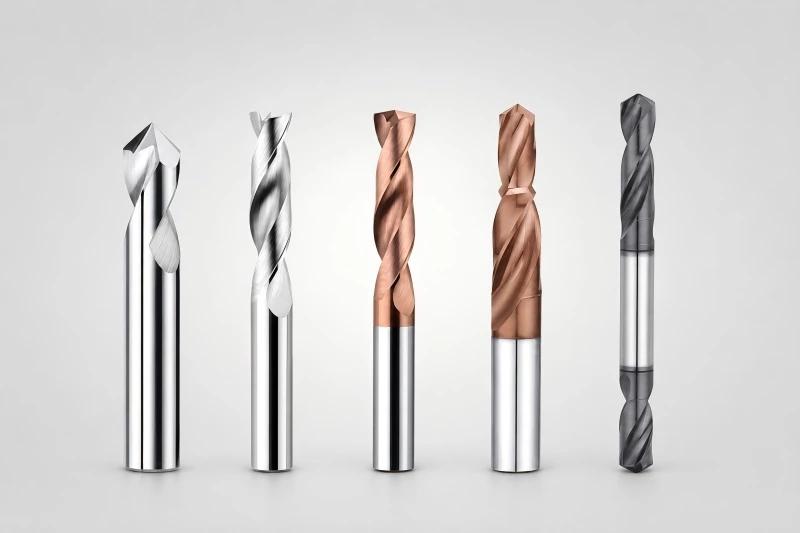
Custom Carbide Drills

Custom Drill Types

Select a Carbide Drill by Hole Feature and Machining Task

Select the tool type according to the required hole feature, entry condition, number of machining operations, and component design. Dimensions, coating, coolant configuration, and cutting geometry can be adjusted according to the application.
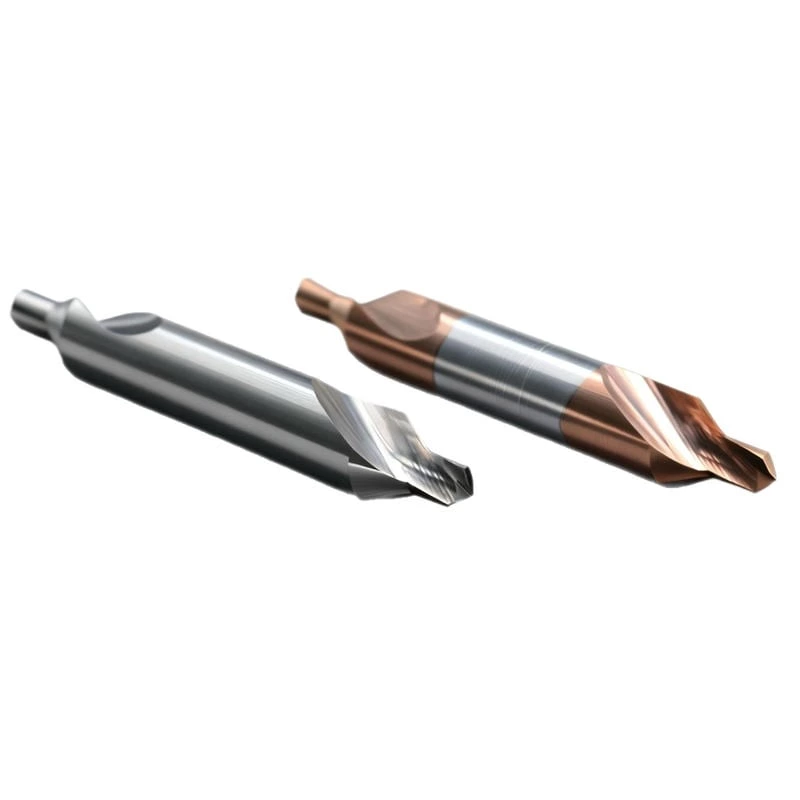
Carbide Center Drill

Carbide Center Drill

Designed to produce accurate pilot holes and 60° center seats in one operation. The solid carbide structure, precision-g...
View More
90° Carbide Spot Drill

90° Carbide Spot Drill

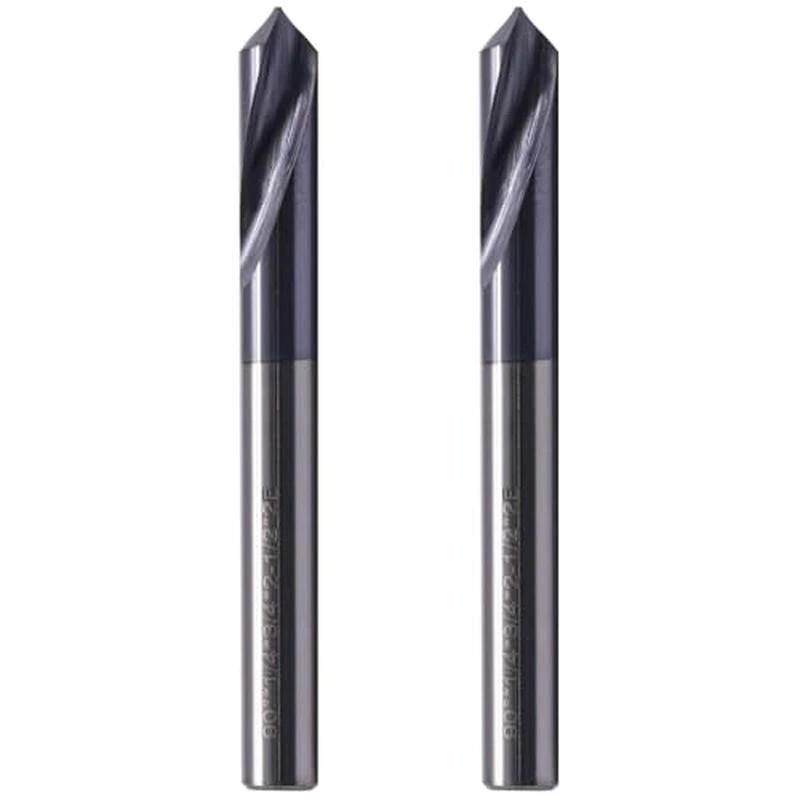
Designed for precision hole positioning, 90° chamfering, shallow countersinking, and hole-edge preparation. The short ri...
View More
60° Carbide Spot Drill

60° Carbide Spot Drill

Designed for precise 60° center recesses, positioning points, chamfers, and shallow countersinks. The sharp 60° point ge...
View More
120° Carbide Spot Drill

120° Carbide Spot Drill

Designed for accurate hole positioning before drilling. The 120° point geometry, short rigid cutting section, MG 0.8 μm ...
View More
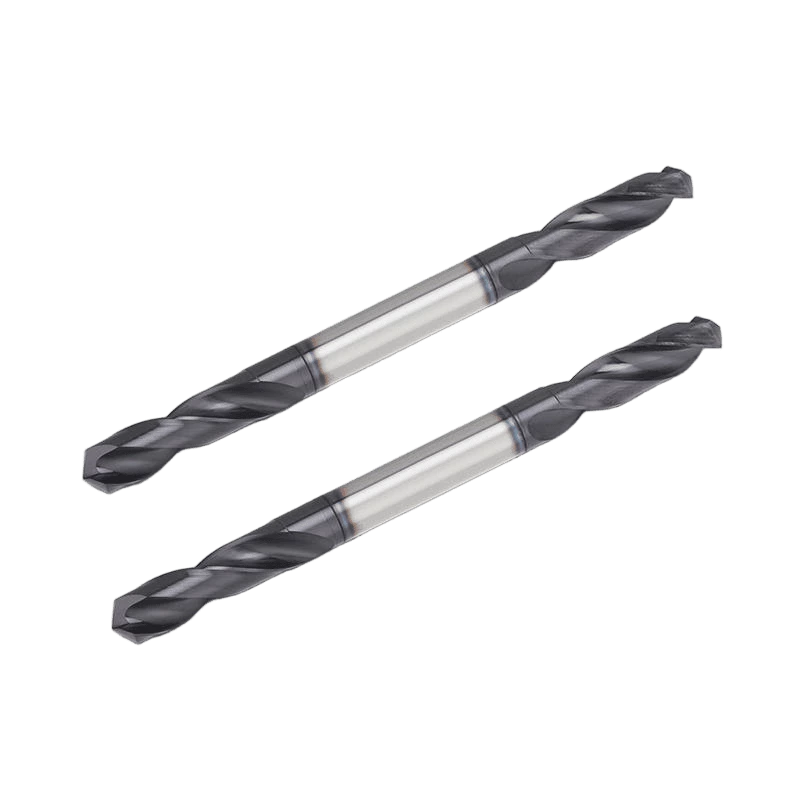
Double-Ended Carbide Drill

Double-Ended Carbide Drill

Designed with two independently usable cutting ends on one solid carbide tool. MG 0.8 μm carbide, precision-ground dual-...
View More
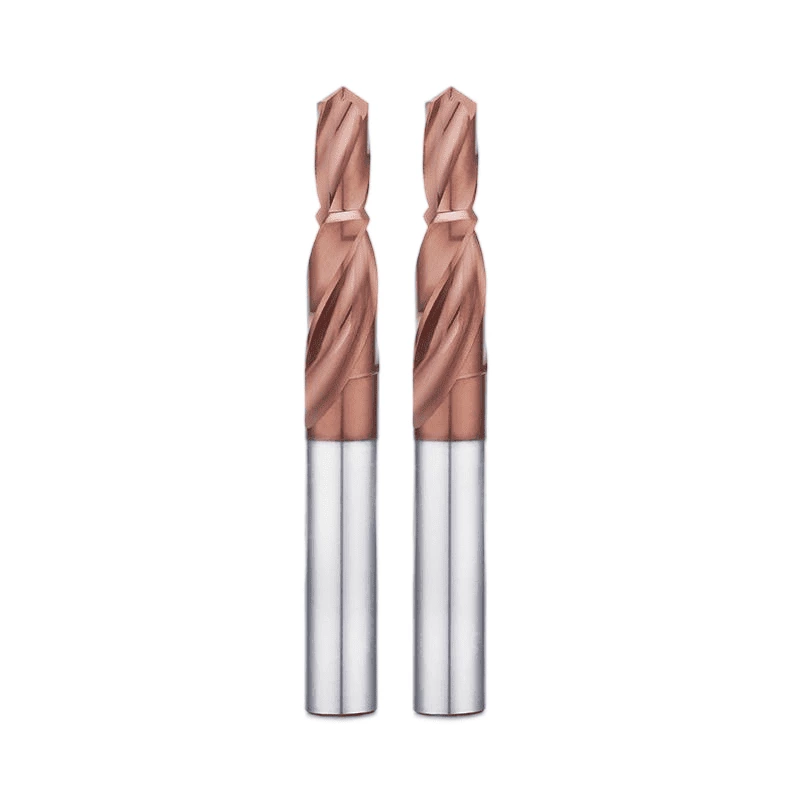
Carbide Step Drill

Carbide Step Drill

Designed to machine two or more hole diameters in a single operation. The solid carbide structure, precision-ground step...
View More
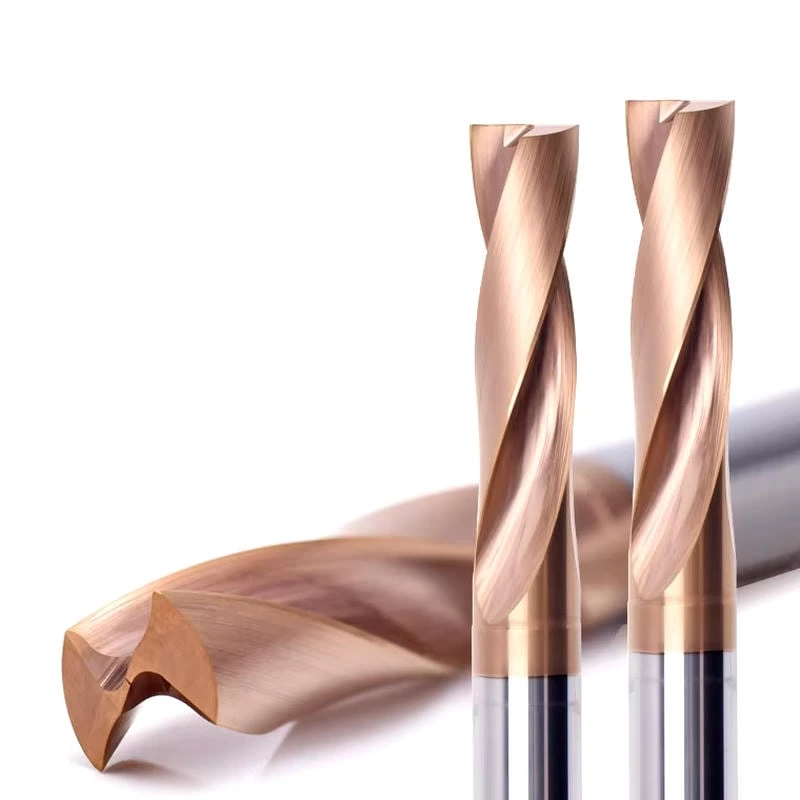
Flat Bottom Carbide Drill

Flat Bottom Carbide Drill

Designed for flat-bottom blind holes, inclined surfaces, curved surfaces, intersecting holes, and precision counterborin...
View More

Quick Comparison

Which Custom Carbide Drill Type Do You Need?

Machining Requirement Recommended Drill Type Main Hole Feature Typical Use
Pilot hole with center-support seat Carbide Center Drill Pilot + 60° center seat Shafts, pins and rotating components
60° conical recess or chamfer 60° Spot Drill 60° conical feature Center recesses and shallow countersinks
Positioning with 45° edge chamfer 90° Spot Drill 90° included angle Chamfering and hole-edge preparation
Starting feature for compatible drill points 120° Spot Drill Wide-angle spot Precision drill-entry preparation
Multiple diameters in one operation Carbide Step Drill Stepped or combination hole Drill, chamfer and counterbore combinations
Flat hole bottom or difficult entry Flat Bottom Drill Flat-bottom feature Blind holes, inclined or curved surfaces
Two cutting ends on one tool Double-Ended Drill Dual cutting ends Repetitive and high-volume machining
Special dimensions or combined profiles Fully Custom Drill Drawing-defined geometry Non-standard component requirements

Choose by Workpiece Material

Different workpiece materials require different drill geometry, coating direction, edge preparation, and coolant strategy. Select the suitable standard carbide drill series according to material behavior, hole depth, chip formation, and production conditions.
For Steel

For Steel

Challenges: Tool wear and unstable chip evacuation.

Recommended: Wear-resistant coating and stable flute geometry.

For Stainless Steel

For Stainless Steel

Challenges: Work hardening, cutting heat, and chip adhesion.

Recommended: Sharp edges, suitable coating, and effective coolant delivery.

For Aluminum Alloy

For Aluminum Alloy

Challenges: Long chips, material adhesion, and burr formation.

Recommended: Sharp geometry, polished flutes, and DLC or uncoated options.

For Cast Iron

For Cast Iron

Challenges: Abrasive wear, powdery chips, and edge chipping.

Recommended: Strong edge geometry and wear-resistant coating.

For Titanium Alloys

For Titanium Alloys

Challenges: Heat concentration, adhesion, and high cutting load.

Recommended: Heat-resistant coating, reinforced edges, and internal coolant support.

Typical Applications

Why Choose Us

Why Choose Landun CNC Tool

Landun CNC Tool is a carbide drill manufacturer focused on precision solid carbide drills and custom carbide drill solutions, supported by advanced grinding, strict inspection, and consistent edge preparation.

3,000 m²

Production Facility

3 μm

Geometry Accuracy Control

300x

Edge Inspection Magnification

±0.003 mm

Edge Passivation Control

Why Choose Us
German Walter 5-Axis Grinding Machines

German Walter 5-Axis Grinding Machines

Our carbide drills are ground on German WALTER 5-axis grinding machines for sharp cutting edges, stable accuracy, and smooth drilling performance.

Walter Helicheck Plus Contour Inspection

Walter Helicheck Plus Contour Inspection

We use WALTER HELICHECK PLUS for contour inspection, keeping profile and radius control within 3 μm for reliable geometric precision.

300x Magnification Edge Inspection

300x Magnification Edge Inspection

Each carbide drill is inspected at 300x magnification to check edge quality and avoid chipping or saw-tooth defects before shipment.

Consistent Edge Passivation Control

Consistent Edge Passivation Control

Manual drill point honing and automatic rubber-bonded diamond abrasive polishing help improve tool life and control edge consistency within ±0.003 mm.

Frequently Asked Questions

Please provide the workpiece material, hole diameter, hole depth, hole profile, dimensional tolerance, blind or through-hole requirement, entry-surface condition, machine information, coolant method, and expected quantity. A component drawing or existing tool specification is especially helpful.

Yes. An existing drill sample, drawing, product photo, measurement report, or tool specification can be used as the starting point for engineering review and replacement development.

A standard drill uses an established diameter, length, and geometry for common drilling applications. A custom drill is developed for special dimensions, hole profiles, materials, machine conditions, or process requirements.

Yes. Depending on the application, a custom tool can combine drilling, stepping, chamfering, counterboring, pilot features, or flat-bottom features in one tool.

Yes. Internal-coolant configurations can be reviewed for blind holes, through holes, deeper drilling, difficult chip evacuation, and heat-sensitive applications.

Custom drill solutions can be reviewed for steel, stainless steel, cast iron, aluminum and non-ferrous materials, titanium alloys, selected difficult-to-machine materials, and selected hardened-steel applications.

Yes. After the drawing, geometry, coating, edge preparation, marking, and inspection requirements are approved, the confirmed specification can be retained for repeat production.

Choose a center drill when a pilot hole and conical center-support seat are required together. Choose a spot drill when the main requirement is hole positioning, chamfering, countersinking, or controlled hole-entry preparation.

Landun Cnc Tool

Tell Us Your Requirements

Contact Landun CNC Tool for standard, micro, deep-hole, internal-coolant, flat-bottom, step, and custom solid carbide drills. Send us your drawing, existing tool sample, workpiece material, and hole requirements, and our team will provide an application review and quotation.

This site uses cookies

We use cookies to collect information about how you use this site. We use this information to make the website work as well as possible and improve our services.more details