Aerospace Drilling Overview

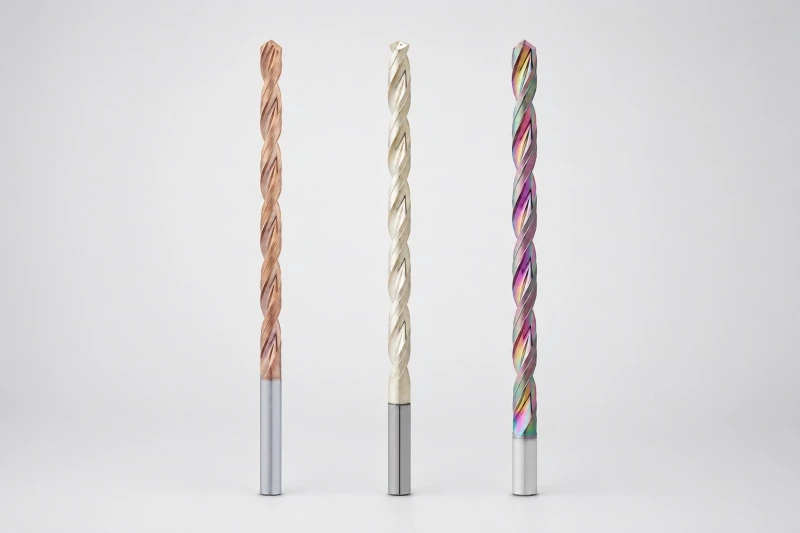
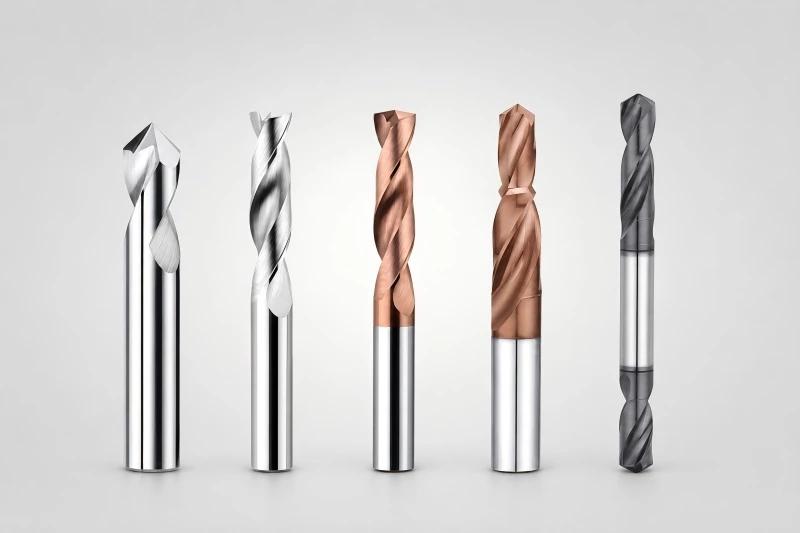
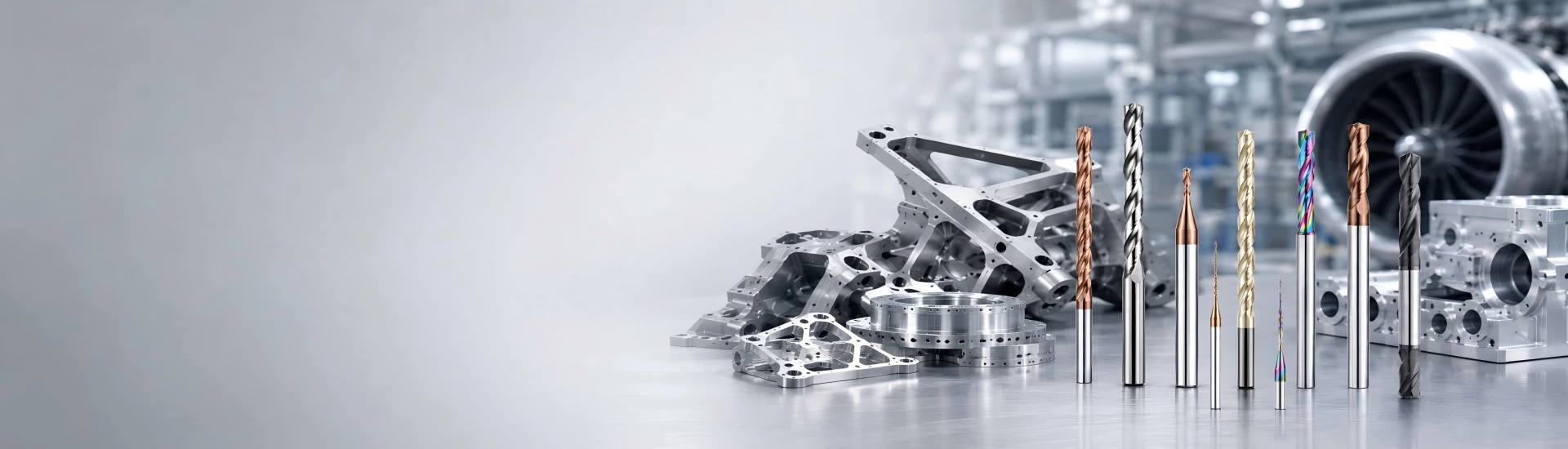
Aerospace manufacturing requires precision drilling in aluminum alloys, titanium alloys, stainless steel, high-strength steel, and heat-resistant materials. Typical applications include structural fastener holes, engine and landing-gear components, hydraulic passages, mounting holes, deep channels, and small precision features. Different materials, hole depths, tolerances, entry conditions, and burr-control requirements demand suitable drill geometries and coolant strategies. Landun supplies standard, micro, deep-hole, internal-coolant, flat-bottom, step, and custom carbide drills for aerospace components and application-specific hole-making requirements in production.
Aerospace Carbide Drilling Solutions

Aerospace Carbide Drilling Solutions

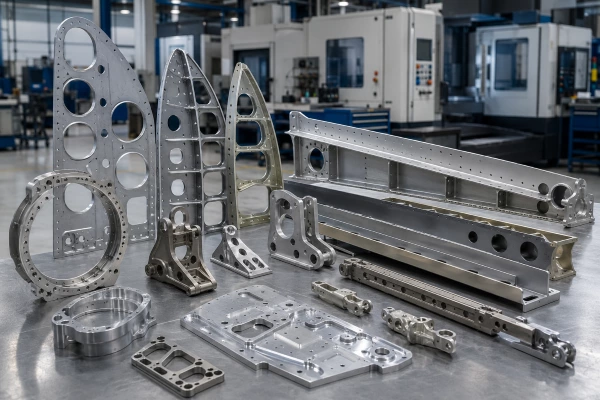
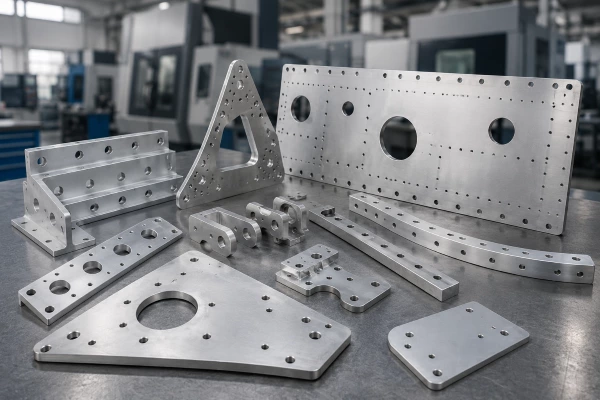
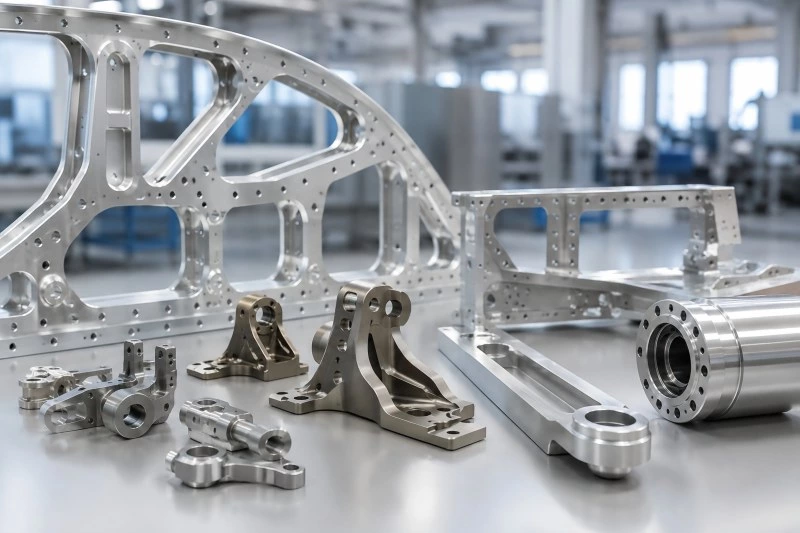
Airframe Structures & Wing Components

Airframe Structures & Wing Components

Wing ribs, spars, frames, bulkheads, brackets, seat tracks, structural fittings, mounting holes, and fastener-hole applications in aluminum, titanium, and high-strength materials.

View More
Aero Engine & Propulsion Components

Aero Engine & Propulsion Components

Engine casings, compressor housings, support rings, shafts, brackets, oil passages, cooling holes, mounting holes, and threaded-hole preparation in titanium and heat-resistant materials.

View More
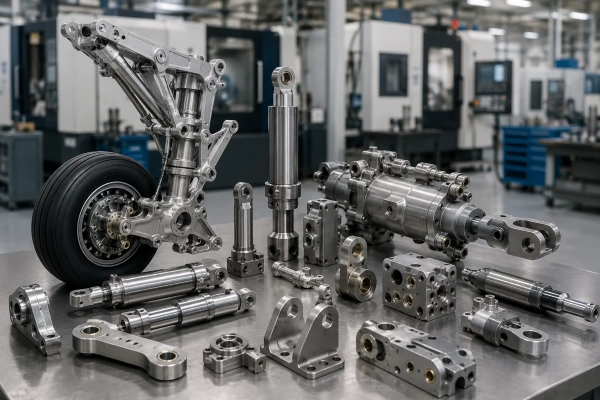
Landing Gear & Actuation Components

Landing Gear & Actuation Components

Landing-gear fittings, hydraulic cylinders, actuator parts, clevises, rods, bearing holes, hinge features, mounting holes, and fluid passages in high-strength steel and titanium.

View More
Hydraulic, Fuel & Fluid System Parts

Hydraulic, Fuel & Fluid System Parts

Valve bodies, manifolds, pump housings, fuel-control blocks, hydraulic components, cross holes, intersecting passages, deep channels, and precision fluid-distribution holes.

View More
Fastener, Rivet & Assembly Holes

Fastener, Rivet & Assembly Holes

Fastener holes, rivet holes, bolt holes, locating holes, countersink preparation, and assembly interfaces requiring stable diameter, position, entry quality, and exit quality.

View More
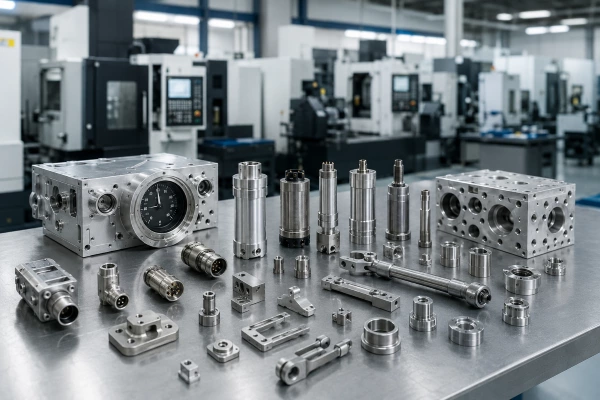
Avionics, Sensors & Precision Components

Avionics, Sensors & Precision Components

Instrument housings, sensor bodies, connectors, sleeves, bushings, small brackets, control components, and compact parts requiring micro-hole accuracy and low runout.

View More

Key Aerospace Carbide Drilling Solutions

Hole Accuracy and Repeatability

Hole Accuracy and Repeatability

Aerospace components frequently contain multiple locating, fastening, mounting, and fluid-control holes. Stable carbide substrates, controlled drill geometry, low runout, and repeatable edge preparation help maintain consistent diameter, position, and surface quality.

Heat Control in Titanium and Heat-Resistant Materials

Heat Control in Titanium and Heat-Resistant Materials

Titanium alloys and heat-resistant materials generate concentrated cutting heat and can increase cutting-edge wear. Suitable carbide grades, coatings, drill geometries, coolant delivery, and controlled cutting parameters help improve process stability.

Burr Control in Aluminum Components

Burr Control in Aluminum Components

Thin-wall aluminum structures, brackets, housings, and structural components require clean entry and exit conditions. Sharp cutting edges, polished flute surfaces, stable support, and controlled feed help reduce built-up edge and burr formation.

Deep Holes and Internal Passages

Deep Holes and Internal Passages

Engine components, hydraulic systems, fuel-control parts, and actuator components may contain deep or intersecting passages. Internal-coolant deep-hole drills support heat removal, chip evacuation, and improved hole straightness.

Angled and Irregular Entry Conditions

Angled and Irregular Entry Conditions

Curved surfaces, cast or forged components, inclined faces, and interrupted entry conditions can cause drill deflection, vibration, or edge damage. Spot drilling, rigid workholding, controlled entry parameters, or application-specific drill geometry may be required.

Custom Hole Structures

Custom Hole Structures

Stepped holes, flat-bottom holes, combined diameters, countersink preparation, special lengths, and complex internal passages may require custom carbide drills developed according to component drawings and machining conditions.

Recommended Carbide Drill Solutions

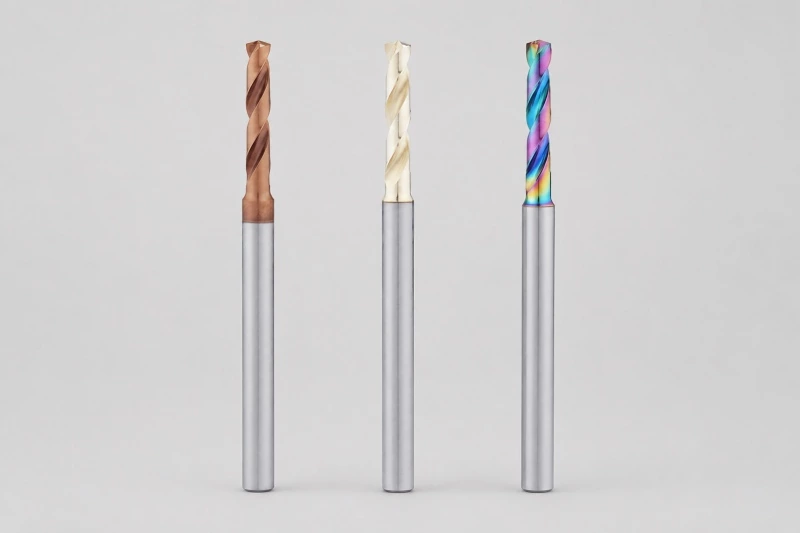
Standard Carbide Drills

Standard Carbide Drills

For general automotive holes in aluminum housings, cast iron components, steel brackets, transmission parts and mounting features.

Typical use:
Through holes, blind holes, threaded-hole preparation, mounting holes and general production drilling up to 8xD.

View More
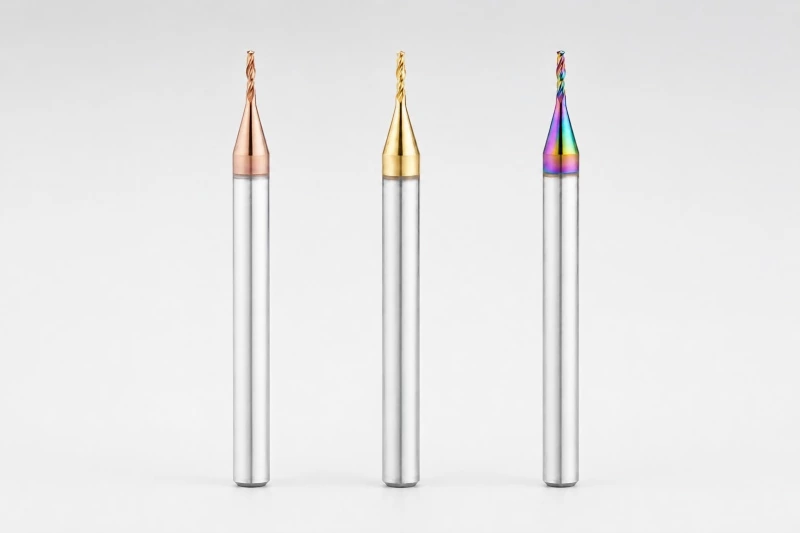
Micro Carbide Drills

Micro Carbide Drills

For small-diameter holes in sensors, connectors, EV components, small housings, and precision automotive parts.

Typical use:

Micro holes, small precision holes, sensor holes, connector holes, and tight-tolerance features.

View More
Deep Hole Carbide Drills

Deep Hole Carbide Drills

For long-reach holes, oil galleries, coolant passages, fluid channels, and high depth-to-diameter drilling applications.

Typical use:

Deep holes, oil passages, coolant holes, cross holes, and long fluid channels.

View More
Custom Carbide Drills

Custom Carbide Drills

For non-standard hole structures, special profiles, long-reach holes, stepped holes, flat-bottom features, and drawing-based automotive tooling requirements.

Typical use:

Custom automotive parts, OEM tooling projects, special hole designs, and machining problem solving.

View More

Information Needed for Recommendation 

Information Why It Matters
Component drawing Confirms hole structure, tolerance, step design, and special features
Workpiece material Determines drill geometry, coating, and edge preparation
Hole diameter and depth Determines drill length, rigidity, and coolant requirement
Through hole or blind hole Affects drill point, chip evacuation, and bottom shape
Tolerance and surface requirement Helps evaluate accuracy and finishing needs
Coolant method and pressure Important for deep holes and chip evacuation
Machine type and holder condition Affects runout, rigidity, and cutting stability

Frequently Asked Questions

Sharp cutting edges, smooth flute surfaces, and suitable coated or uncoated carbide drills are generally recommended for aluminum aerospace parts. The final selection depends on the alloy, hole depth, wall thickness, exit condition, and burr requirement.

Internal-coolant deep-hole carbide drills are normally recommended for long hydraulic, oil, fuel, and cooling passages. Pilot-hole accuracy, coolant pressure, chip evacuation, machine rigidity, and controlled entry and withdrawal are especially important.

Angled, curved, forged, or irregular surfaces may require spot drilling, pilot-hole preparation, reduced entry feed, rigid workholding, or a specially designed carbide drill to reduce deflection and cutting-edge damage.

Yes. Landun can develop flat-bottom drills, step drills, special-length drills, combined-diameter drills, and drawing-based carbide drills according to component drawings, materials, tolerances, and machining requirements.

Please provide the component drawing, workpiece material, material specification, hardness, hole diameter, depth, tolerance, entry and exit conditions, coolant method, machine information, current tool, and the main machining problem.

Landun Cnc Tool

Tell Us Your Requirements

Contact Landun CNC Tool for standard, micro, deep-hole, internal-coolant, flat-bottom, step, and custom solid carbide drills. Send us your drawing, existing tool sample, workpiece material, and hole requirements, and our team will provide an application review and quotation.

This site uses cookies

We use cookies to collect information about how you use this site. We use this information to make the website work as well as possible and improve our services.more details