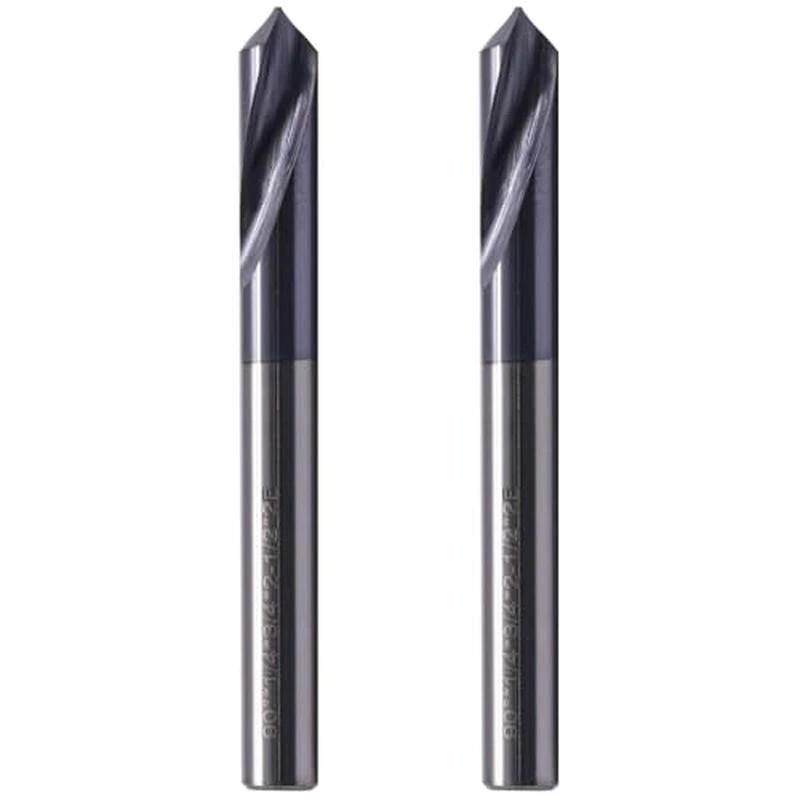
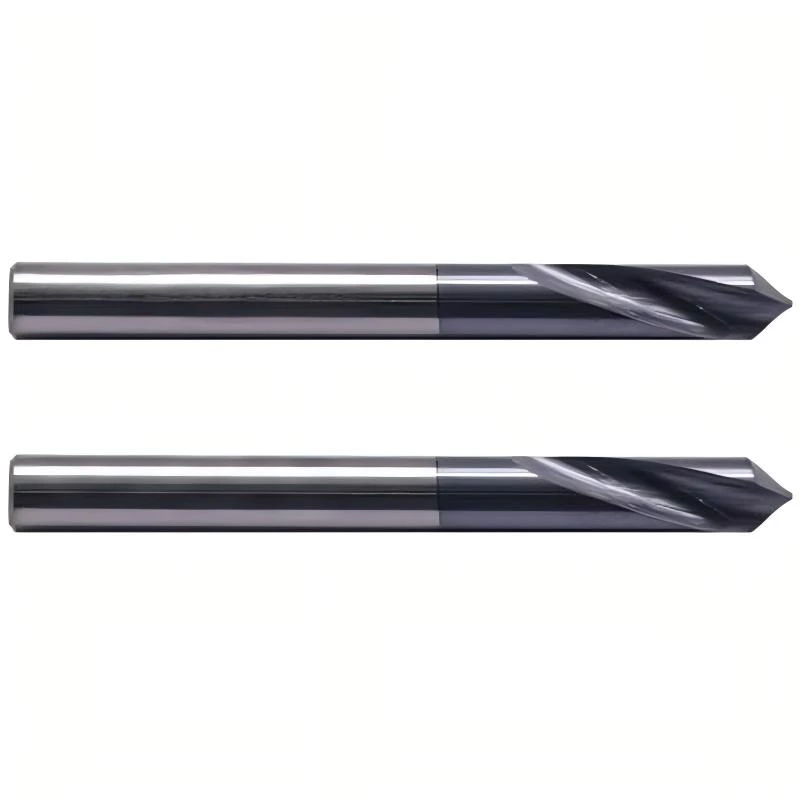
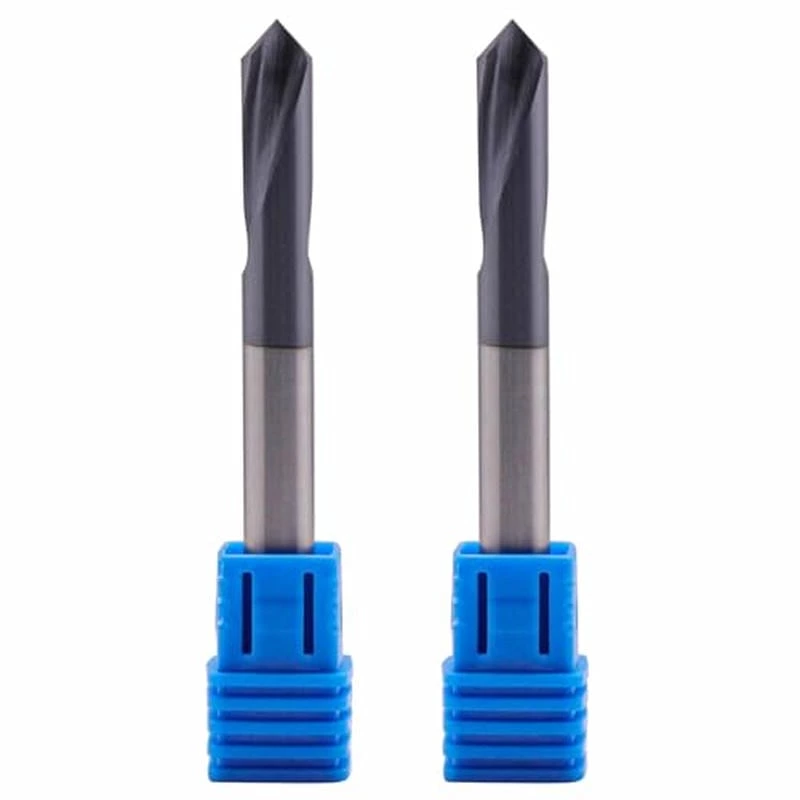
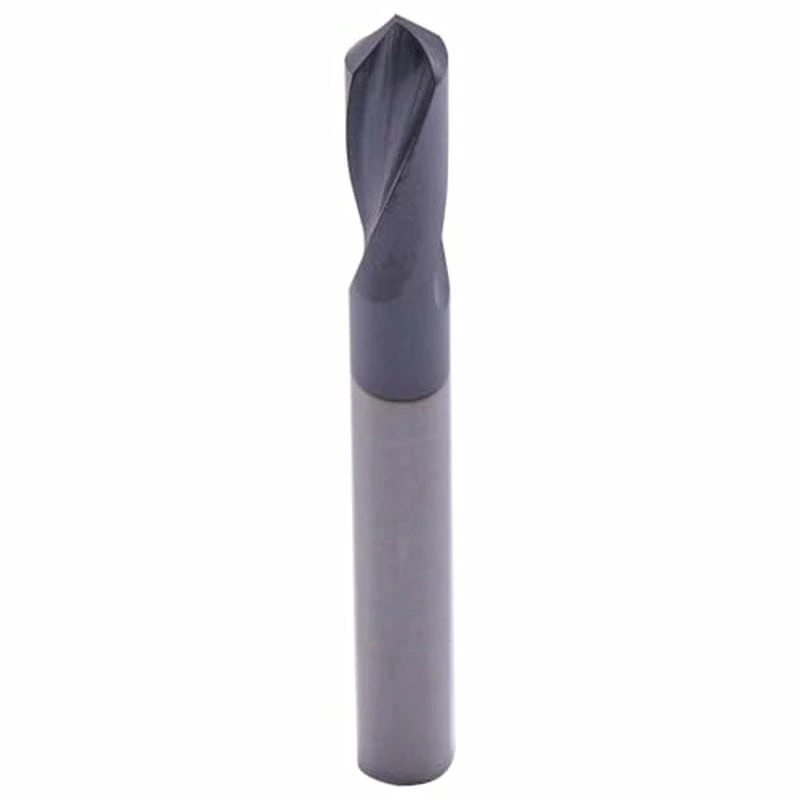
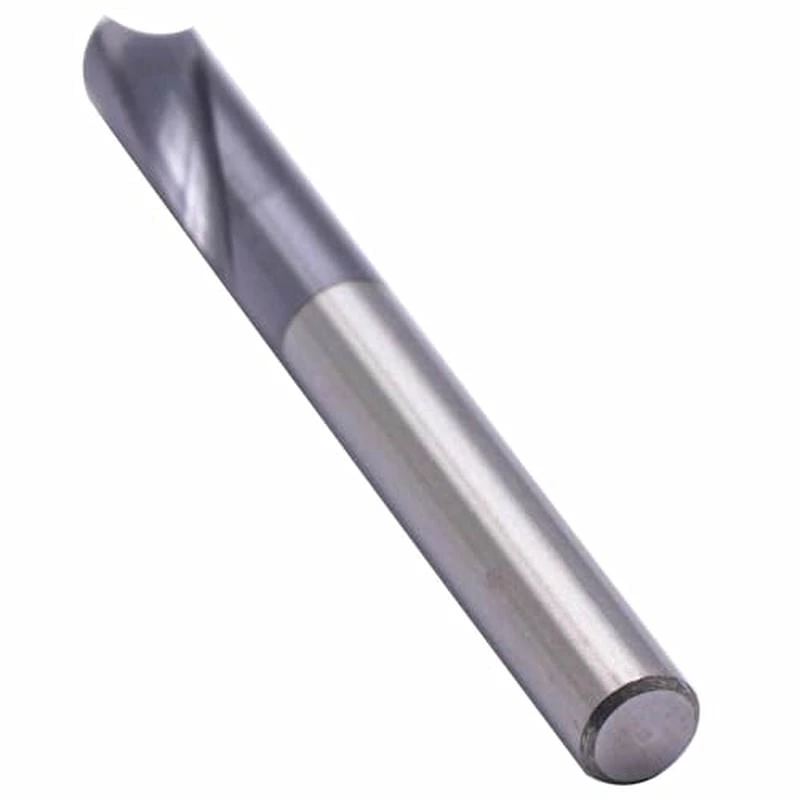
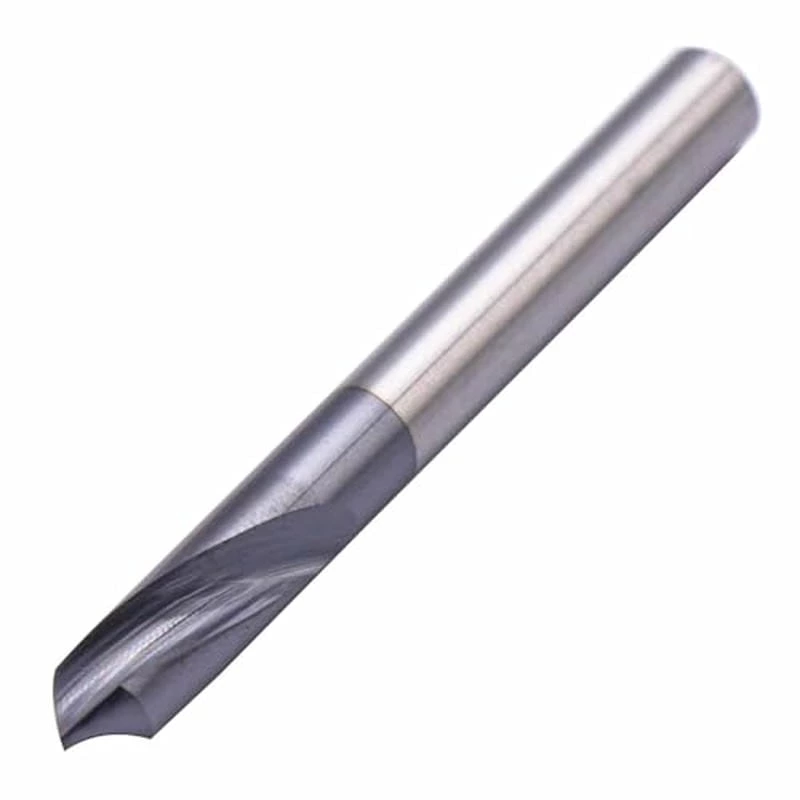
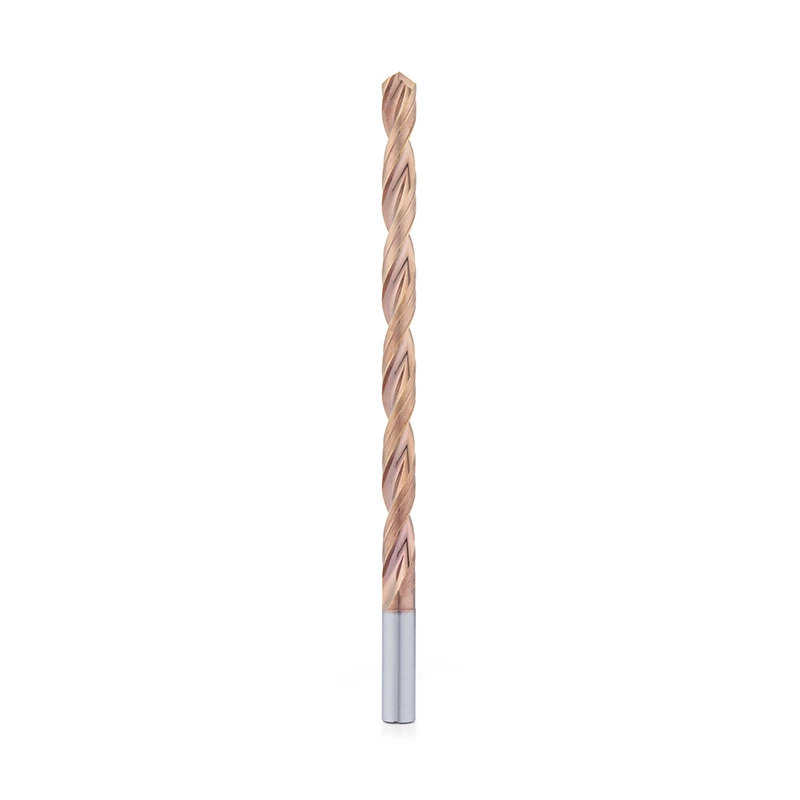
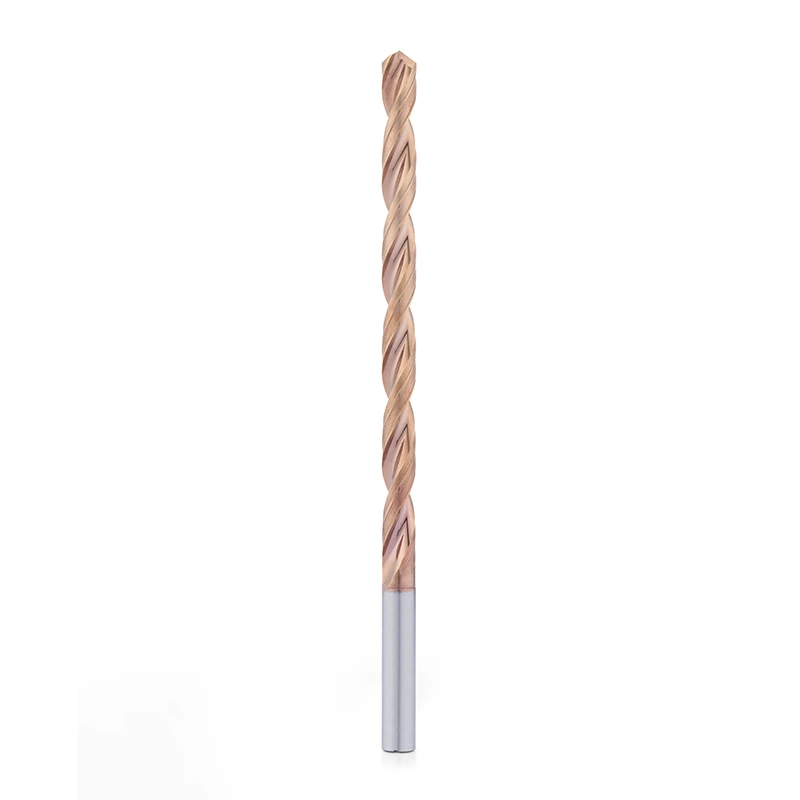
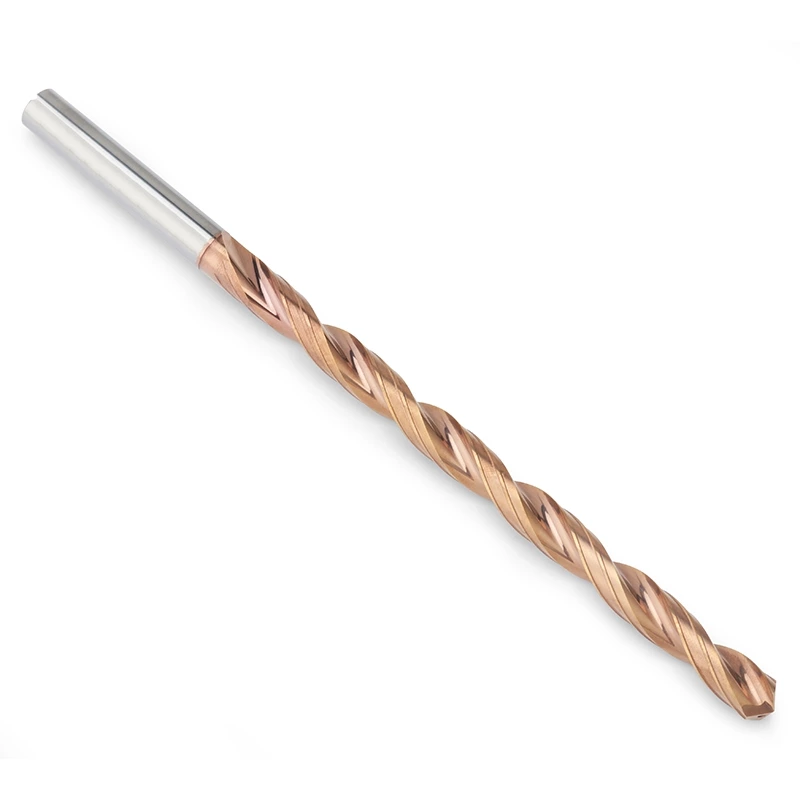
The 90° carbide spot drill is designed to create accurate starting features, controlled hole entrances, 90° chamfers, and shallow countersinks before or after subsequent drilling operations.
When a standard drill enters the workpiece without a prepared starting feature, its point may move away from the intended center before both cutting edges become fully engaged. This drill walking can affect hole-location accuracy and increase uneven cutting load during entry.
The short and rigid structure of a solid carbide spot drill helps reduce tool deflection and establish a repeatable center location. Its symmetrical 90° point geometry also allows the tool to produce a defined chamfer or countersink by controlling the programmed cutting depth.
Compared with 60° and 120° spot drills, the 90° design offers a practical balance between tip strength and feature versatility. It is commonly used for hole positioning, 45° edge chamfers, hole-edge deburring, screw-seat preparation, and shallow 90° countersinking.
However, a 90° spot drill should not automatically be used before every 118°, 120°, 135°, or 140° drill. Because the spotting angle is sharper than many standard drill points, the following drill may contact the outer area of the spotted feature first. The spotting angle and depth should therefore be selected according to the geometry of the following drill and the machining objective.
This spot drill is manufactured from imported MG grade 0.8 μm tungsten carbide with 10% cobalt content. German Walter 5-axis grinding, controlled edge preparation, Walter Helicheck Plus measurement, and 300x cutting-edge inspection help maintain point symmetry, edge consistency, and reliable positioning and chamfering performance.
| Item | Description | Item | Description |
|---|---|---|---|
| Product Name | 90° Carbide Spot Drill | Alternative Name | 90 Degree Carbide Spot Drill / Solid Carbide Spotting Drill |
| Drill Type | Solid Carbide Spot Drill | Point Angle | 90° Included Angle |
| Cutting Structure | Short and rigid two-flute spotting geometry | Carbide Material | Tungsten Carbide |
| Cutting Design | Center-cutting symmetrical point | Coating | Custom Coating |
| Chamfer Relationship | Produces a 45° chamfer on each side of the hole | Workpiece Material | Steel, stainless steel, cast iron, aluminum, titanium alloy, and selected non-ferrous materials |
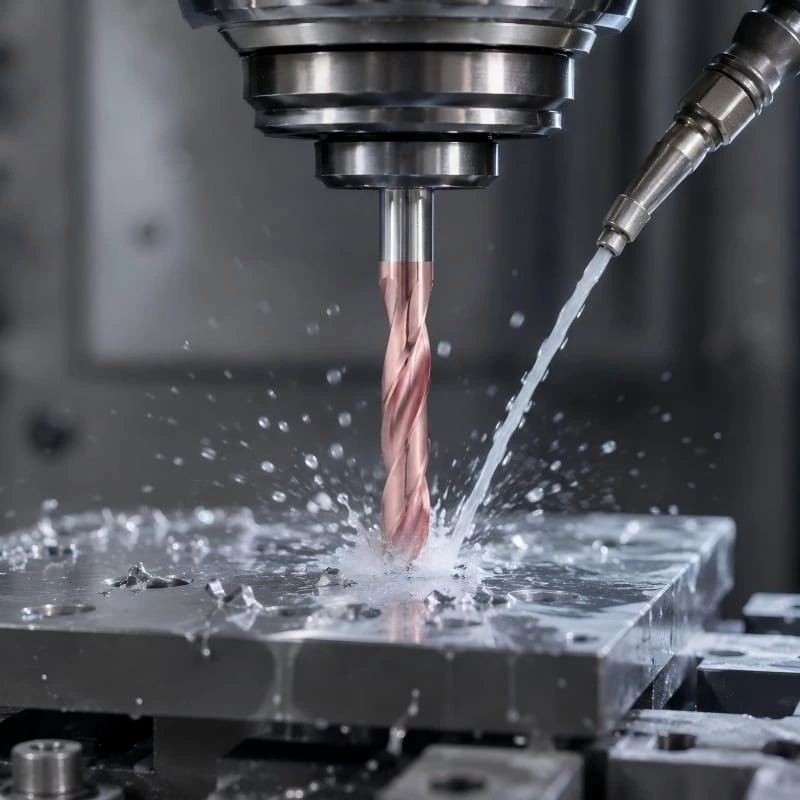
| Coolant Type | Internal Coolant / External Coolant Available | Main Application | Preparing accurate starting features and producing controlled 90° conical features |
| Service | Regrinding and Customization Available | Size Availability | Standard and customized diameters available |
Key Features
The 90° included angle creates a controlled conical feature centered on the spindle axis.
Accurate point symmetry helps maintain consistent spotting position, chamfer diameter, countersink shape, and cutting-load balance.
The tool uses a short cutting section and limited overhang compared with a standard-length drill.
This rigid structure helps reduce deflection, positional movement, chatter, and inconsistent feature diameter during initial workpiece contact.
The tool is manufactured from imported MG grade 0.8 μm tungsten carbide with 10% cobalt content.
The fine carbide structure helps provide rigidity, cutting-edge strength, wear resistance, and dimensional stability during repeated spotting, chamfering, and countersinking operations.
Balanced point honing and controlled edge preparation help improve cutting-edge consistency and reduce micro-chipping.
Consistent preparation of both cutting edges is important for maintaining symmetrical feature geometry and uniform surface quality.
The 90° carbide spot drill is suitable for CNC machining centers, automatic lathes, turning centers, drilling machines, transfer lines, and precision component manufacturing. It is especially useful when accurate positioning, consistent 45° edge chamfers, controlled countersinks, and reliable batch performance are required.
Send us your material and hole requirements. Our team will recommend the right drill solution.
Landun CNC Tool is a carbide drill manufacturer focused on precision solid carbide drills and custom carbide drill solutions, supported by advanced grinding, strict inspection, and consistent edge preparation.
Production Facility
Geometry Accuracy Control
Edge Inspection Magnification
Edge Passivation Control
Our carbide drills are ground on German WALTER 5-axis grinding machines for sharp cutting edges, stable accuracy, and smooth drilling performance.
We use WALTER HELICHECK PLUS for contour inspection, keeping profile and radius control within 3 μm for reliable geometric precision.
Each carbide drill is inspected at 300x magnification to check edge quality and avoid chipping or saw-tooth defects before shipment.
Manual drill point honing and automatic rubber-bonded diamond abrasive polishing help improve tool life and control edge consistency within ±0.003 mm.
Common Questions
A 90° carbide spot drill is a short, rigid solid carbide tool used for hole positioning, 90° chamfering, shallow countersinking, deburring, and hole-entry preparation.
Its main purposes are to create a controlled starting feature before drilling and to machine consistent 90° included-angle chamfers or countersinks.
A 90° included-angle tool produces a 45° chamfer on each side of the hole.
Yes, it can be used before selected drills. However, the spotting angle and depth should be matched to the following drill geometry to avoid undesirable cutting-edge contact.
It may be used for positioning, but a 90° spot is sharper than a 118° drill point. The following drill may contact the outer area of the spotted feature first, so the spotting diameter and depth should be carefully controlled.
It is not normally the preferred universal spotting angle for flatter 135° or 140° drill points. A wider spot angle matched to the following drill may provide better cutting-edge engagement.
A 90° spot drill is particularly suitable for 45° chamfers, 90° countersinks, deburring, and general positioning. A 120° spot drill is more closely matched to many conventional drill-point geometries near 118°–120°.
A spot drill is optimized for rigidity, positioning, and shallow conical features. A dedicated countersink may be better for larger diameters, deeper countersinks, or applications requiring specialized multi-flute surface finishing.
The spotting depth should provide sufficient guidance without creating excessive contact or loading for the following drill. It depends on the spot drill diameter, following drill diameter, point angles, and required chamfer.
It is mainly intended for spotting, chamfering, countersinking, and shallow hole-entry preparation. It should not normally replace a standard carbide drill for full-depth drilling.
Yes. It can remove light burrs and produce a controlled 45° chamfer around an existing hole.
The final chamfer diameter depends on tool diameter, 90° point geometry, existing hole diameter, and programmed cutting depth. Accurate Z-axis control is important.
Yes. Tool diameter, cutting length, flute length, shank diameter, overall length, point profile, coating, and edge preparation can be customized.
Explore Our Products
We use cookies to collect information about how you use this site. We use this information to make the website work as well as possible and improve our services.more details