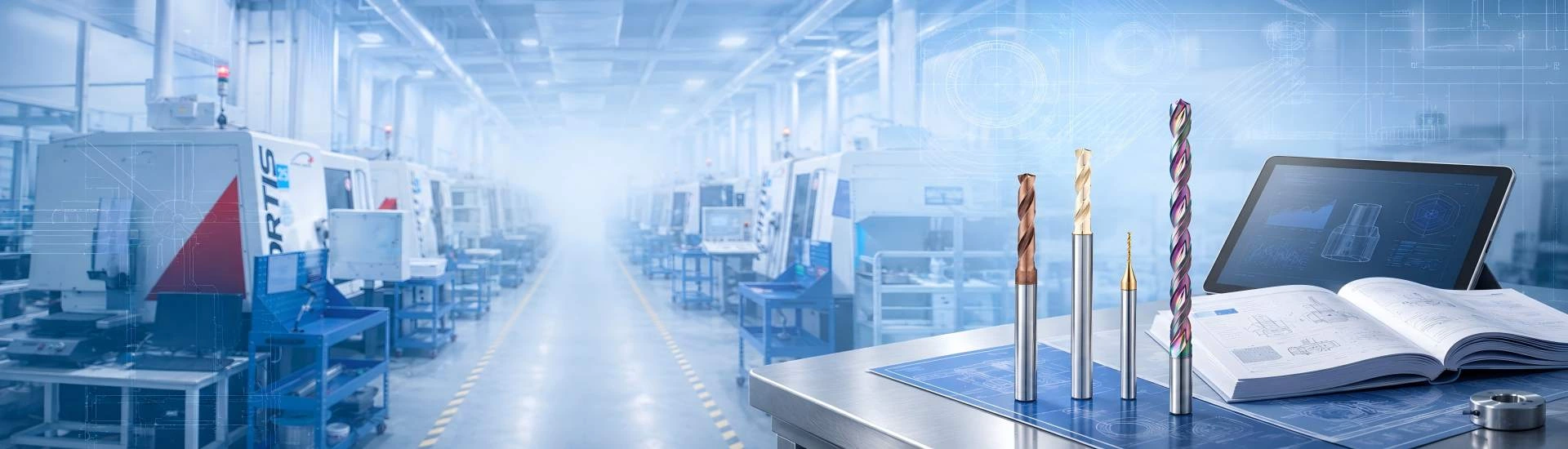
Fuel-system and fluid-passage components contain cross holes, intersecting channels, deep passages, inlet and outlet ports, threaded-hole preparation, sealing-related holes, blind holes, stepped holes, small-diameter holes, and precision locating features.
These parts are manufactured from stainless steel, alloy steel, aluminum, cast iron, and other pressure-resistant materials. Deep and intersecting passages can cause chip packing and internal burrs, while small hole diameters, high length-to-diameter ratios, sealing requirements, and close positional tolerances increase the risk of drill deviation, tool breakage, and inconsistent hole quality.
Landun CNC Tool supports drill selection and custom carbide drill development based on the component drawing, material grade, hole diameter and depth, passage intersection, tolerance, coolant condition, burr requirement, and current machining problem.
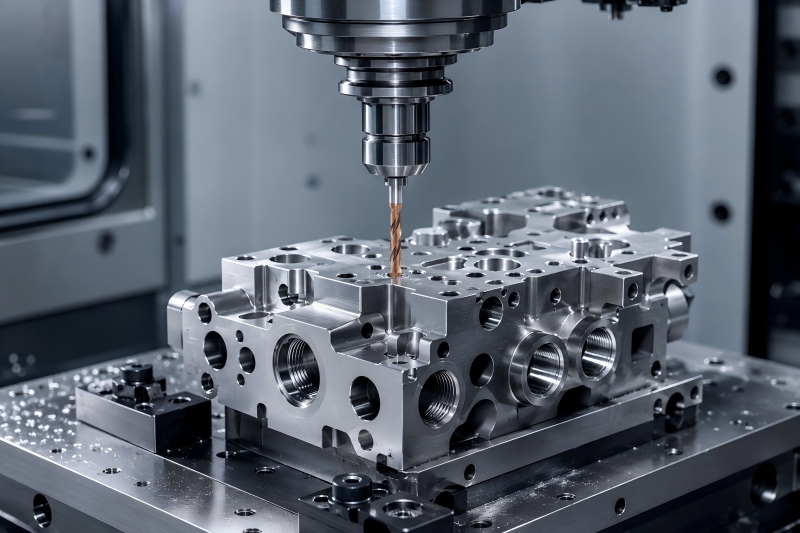
Fuel rails, pump bodies, valve bodies, and fluid distribution blocks may develop burrs where drilled holes intersect internal channels. Loose burrs and residual chips can affect passage cleanliness, fluid flow, assembly, and sealing reliability.
When the drill breaks into an existing hole or internal cavity, cutting support suddenly decreases and cutting forces become unbalanced. Excessive feed, unsuitable point geometry, insufficient coolant flow, or poor chip evacuation can increase burr size and leave chips inside the passage.
Sharp cutting edges, controlled breakthrough parameters, stable drill geometry, and through-tool coolant help reduce internal burr formation and improve chip removal. For complex intersections, custom drill geometry can be developed according to the passage angle, wall thickness, and breakthrough condition.
Long fuel passages, oil channels, pressure channels, and deep blind holes may experience chip congestion, rising cutting load, poor internal surface quality, drill deviation, or sudden tool breakage.
High drilling depth, insufficient coolant pressure, unsuitable flute geometry, excessive runout, or chips entering intersecting passages can interrupt normal chip evacuation and increase heat near the drill point.
Through-tool coolant, suitable flute geometry, stable coolant pressure, and a controlled drilling procedure help remove chips and reduce cutting heat. Longer holes also require accurate pilot holes, low runout, rigid workholding, and controlled entry and withdrawal.
Injector components, fuel-metering parts, compact valve components, and sensor-related parts may contain small-diameter holes that require stable diameter, position, straightness, and surface quality.
Micro drills are highly sensitive to runout, tool overhang, chip congestion, entry instability, and insufficient coolant delivery. Small changes in machine rigidity or workholding can cause drill deflection, premature wear, or breakage.
Low-runout toolholding, short overhang, stable drill-point geometry, suitable flute design, and controlled cutting parameters help improve micro-hole stability. Drill geometry should be matched to the material, hole depth, coolant method, and tolerance requirement.
Threaded ports, plug holes, sealing holes, stepped ports, injector-related holes, and pressure connections may show inconsistent depth, shoulder position, concentricity, bottom shape, or surface quality.
Multiple drilling and finishing operations, repeated tool changes, accumulated positioning errors, unstable chip evacuation, and drill-point allowance can reduce feature consistency and increase cycle time.
Flat-bottom, step, chamfer, and combination carbide drills can produce multiple features in fewer machining operations. This helps improve depth control, step-position accuracy, concentricity, and consistency between drilling and sealing-related features.
High-pressure fuel rails, pump bodies, injector parts, and valve components manufactured from alloy steel or stainless steel may cause rapid flank wear, edge chipping, work hardening, or inconsistent hole size.
High material strength, work-hardening behavior, deep-hole heat accumulation, unstable chip evacuation, and high cutting loads can accelerate coating wear and damage the cutting edge.
Application-matched coatings, controlled edge preparation, suitable carbide grades, and stable drill-point geometry help improve wear resistance and cutting-edge strength. Coolant delivery and cutting parameters should be matched to the material and drilling depth.
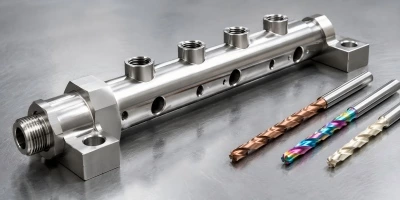
Typical drilling applications include injector connection holes, inlet and outlet ports, pressure passages, cross holes, threaded-port preparation, sensor holes, plug holes, and repeated connection features in steel, stainless steel, or aluminum fuel rails.
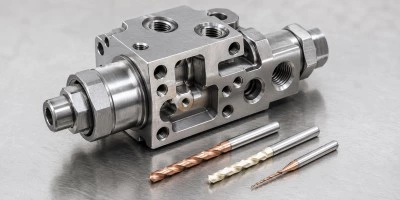
Common hole features include inlet passages, outlet passages, pressure channels, valve holes, plunger-related preparation holes, threaded ports, blind holes, stepped holes, and small precision holes.
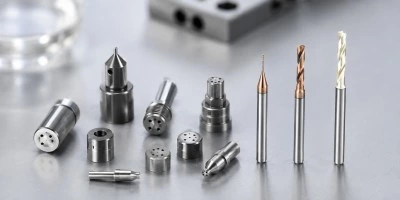
Typical applications include small-diameter preparation holes, internal passages, locating holes, valve-related holes, sensor holes, threaded-hole preparation, blind holes, and precision connection features.
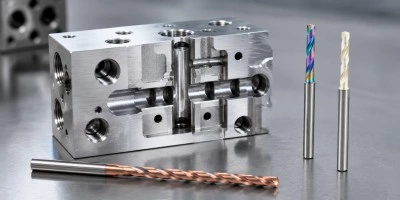
Common drilling applications include cross holes, intersecting passages, manifold channels, pressure and return ports, threaded-hole preparation, plug holes, blind holes, stepped holes, and repeated fluid connections.
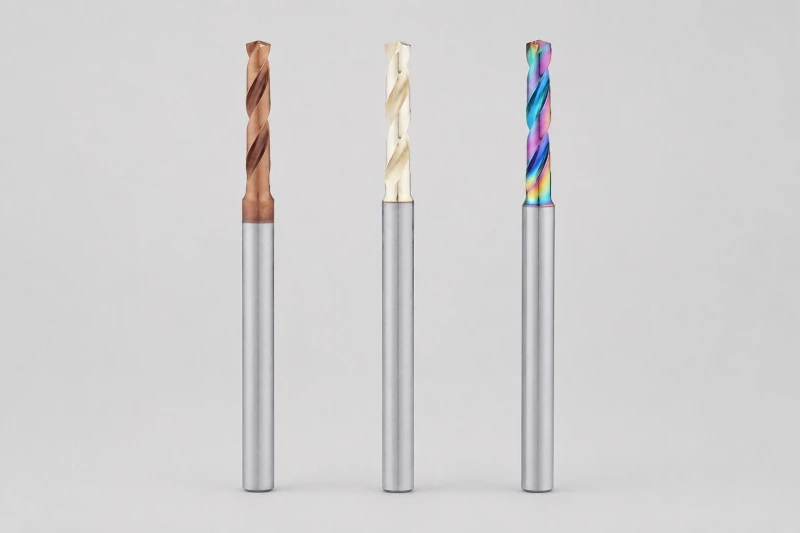
For fuel passages, pressure channels, blind holes, cross holes, and applications where chip evacuation, heat control, and internal cleanliness are critical.
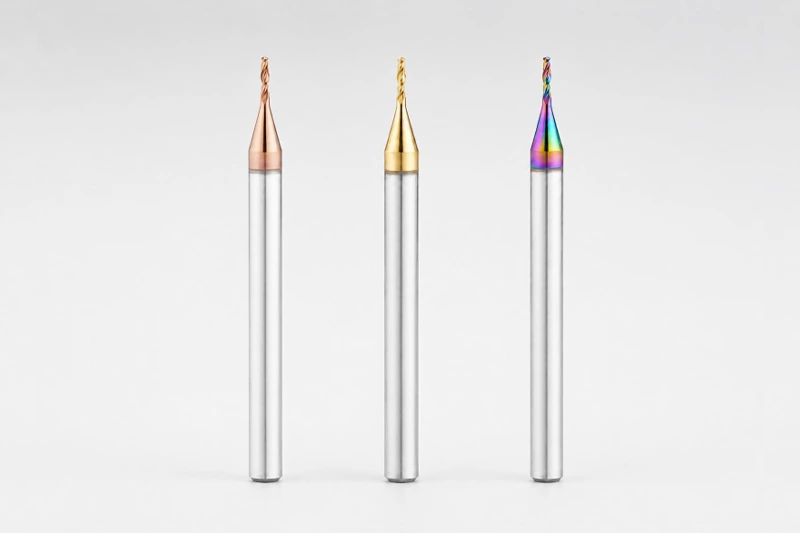
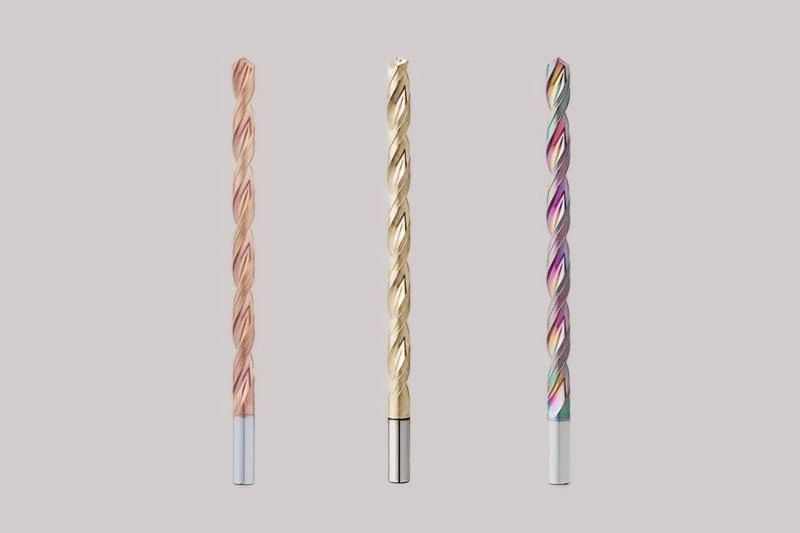
For long fuel passages, extended fluid channels, pressure holes, and other drilling applications with high depth-to-diameter ratios.
For injector-related holes, sensor holes, valve features, small fluid passages, metering components, and other small-diameter precision applications.
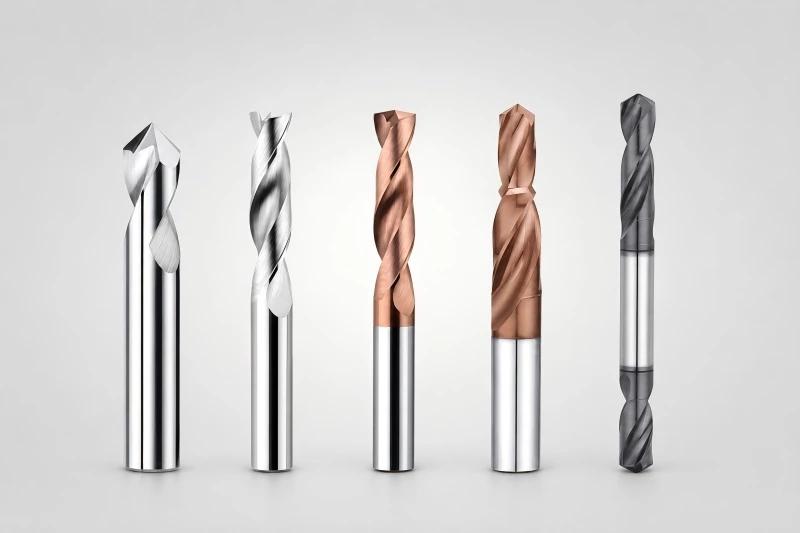
For plug holes, threaded-port preparation, sealing holes, stepped features, combined diameters, flat-bottom blind holes, and drawing-based non-standard passage structures.
| INFORMATION | WHY IT MATTERS |
|---|---|
| Component drawing | Confirms passage layout, hole intersections, wall thickness, step features, tolerances, and sealing requirements. |
| Workpiece material and hardness | Helps determine drill geometry, edge preparation, carbide grade, and coating direction. |
| Hole diameter, depth, and type | Defines drill size, working length, depth-to-diameter ratio, and blind- or through-hole requirements. |
| Passage angle and intersection conditions | Helps evaluate breakthrough stability, internal burr risk, chip direction, and drill-entry sequence. |
| Tolerance, surface, and cleanliness requirements | Helps assess dimensional accuracy, sealing-related quality, internal burr control, and residual-chip limits. |
| Machine, holder, and coolant conditions | Helps evaluate runout, rigidity, coolant pressure, coolant method, and deep-hole chip evacuation. |
| Current problem and production target | Clarifies burrs, chip packing, drill deviation, breakage, tool wear, hole variation, tool life, or cycle-time targets. |

Review the component drawing, workpiece material, hole structure, machine conditions, and current drilling problem.
Select a suitable standard drill series or develop a custom drill based on hole depth, tolerance, entry conditions, and machining requirements.

Produce the drill with controlled geometry, edge preparation, coating selection, and multi-stage inspection to support consistent quality.

Support sample testing, specification confirmation, and stable repeat production after the drill solution is approved.
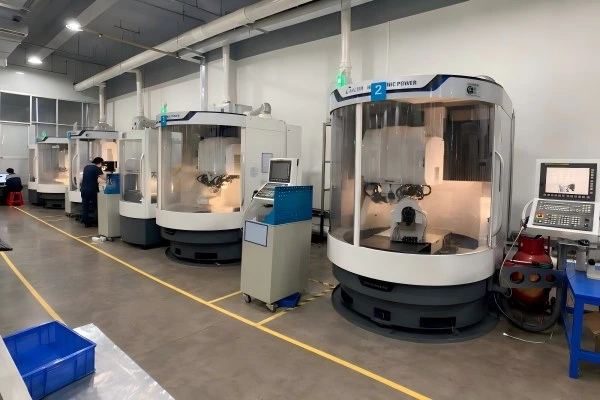
Walter 5-axis grinding supports stable drill-point geometry, flute consistency, diameter accuracy, and shank concentricity.
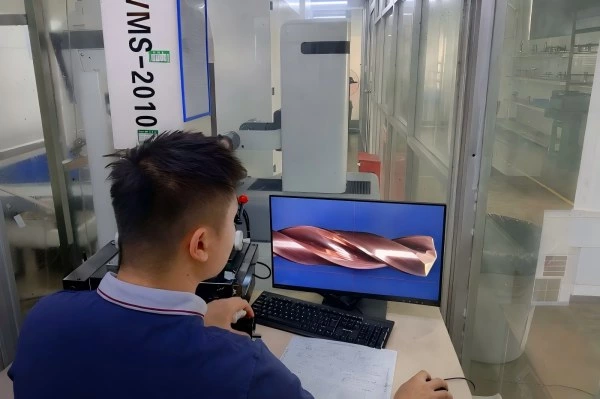
Controlled edge preparation helps improve cutting-edge consistency, coating adhesion, wear resistance, and tool-life stability.
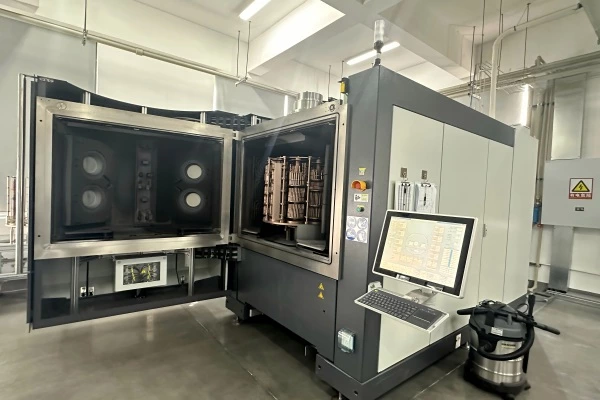
Coating selection is matched to the workpiece material and drilling conditions to improve wear resistance, heat control, and cutting stability.
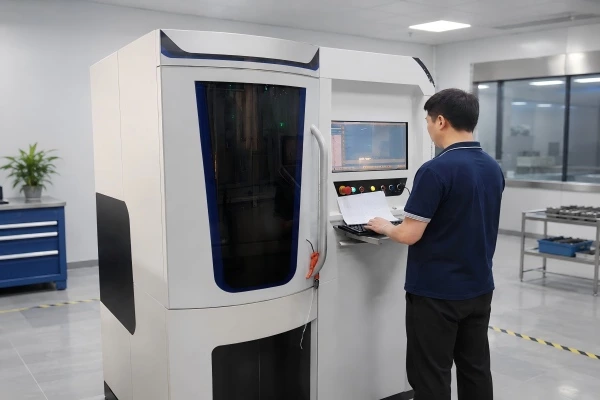
HELICHECK PLUS and 150× / 300× visual inspection help verify dimensions, cutting edges, coating appearance, and overall tool condition.
We use cookies to collect information about how you use this site. We use this information to make the website work as well as possible and improve our services.more details